Infrastructure Data Management: Best Practices in 2026
Last Updated: March 3, 2026
Key Takeaways
- 61% of IT leaders prioritize data strategy development in 2026, reflecting a fundamental shift in infrastructure management
- Cloud-native, composable architectures and lakehouse models are replacing monolithic legacy systems for scalability and flexibility
- Data governance must be embedded into daily workflows, not treated as a compliance checkbox, especially with 140+ privacy laws globally
- AI-powered automation will reduce manual data management tasks by 60% by 2027, transforming team capabilities and decision speed
What Is Infrastructure Data Management and Why It Matters Now
Infrastructure data management is the integrated system of hardware, software, databases, and governance frameworks that enables organizations to collect, store, process, and analyze data across their entire operation. It includes data warehouses, data lakes, integration tools, analytics platforms, and the policies that keep everything functioning reliably. Data infrastructure includes hardware, software, databases, data warehouses, data lakes, integration tools, analytics platforms, and data governance frameworks that support the full data lifecycle
But here's what's changed: in 2026, this isn't a technical footnote anymore. It's a strategic imperative.
For supply chain managers, fragmented data systems mean blind spots in real-time visibility. For national security agencies, disconnected infrastructure creates vulnerability windows. For smart city planners, siloed data prevents the coordinated decisions that make cities actually intelligent. The cost of poor data infrastructure isn't just operational friction; it's competitive disadvantage, regulatory risk, and missed opportunities.
The real problem is fragmentation. Most organizations still operate with data scattered across incompatible systems, each guarding its own corner. Without clear policies for data access, quality, and compliance, infrastructure becomes unreliable and chaotic. This creates a cascading problem: you can't analyze what you can't access, you can't trust what you can't verify, and you can't act on insights you don't have.
The organizations pulling ahead right now aren't the ones with the most data. They're the ones who unified it. They've moved from asking "where's that information?" to asking "what does it tell us?" That shift from fragmented systems to unified intelligence isn't optional anymore. It's how you compete.

Core Components of Modern Infrastructure Data Management
Modern infrastructure data management rests on several interconnected technical pillars that work together to transform raw data into competitive intelligence.
Cloud-Native and Composable Foundations
The shift from monolithic on-premises systems to cloud-native architectures has fundamentally changed how organizations build data infrastructure. Rather than rigid, all-in-one platforms, organizations are embracing cloud-native, composable architectures that allow them to assemble best-of-breed components into flexible data ecosystems. This modularity means you can swap storage solutions, processing engines, and analytics tools without wholesale replacement. Hybrid models bridge legacy systems and cloud capabilities, protecting your existing investments while modernizing incrementally.
Storage and Processing Layer
Your data foundation needs multiple storage patterns working in concert. Traditional data warehouses excel at structured analytics; data lakes handle raw, diverse data types; and the emerging lakehouse pattern combines both strengths. Lakehouse architecture has become the default starting point for organizations modernizing legacy data warehouses, offering schema enforcement with data lake flexibility.
ETL and integration pipelines orchestrate seamless data flow across these systems. Modern tools handle both batch and real-time processing, adapting to your operational tempo.
Observability and Governance
You can't manage what you can't see. Data observability provides a multidimensional view of data health, continuously monitoring pipelines, data quality, infrastructure performance, and usage patterns. This real-time visibility catches quality issues before they impact decisions.
Governance frameworks ensure data reliability, compliance, and trust. Automated data quality management prevents garbage-in-garbage-out scenarios that derail analytics initiatives.
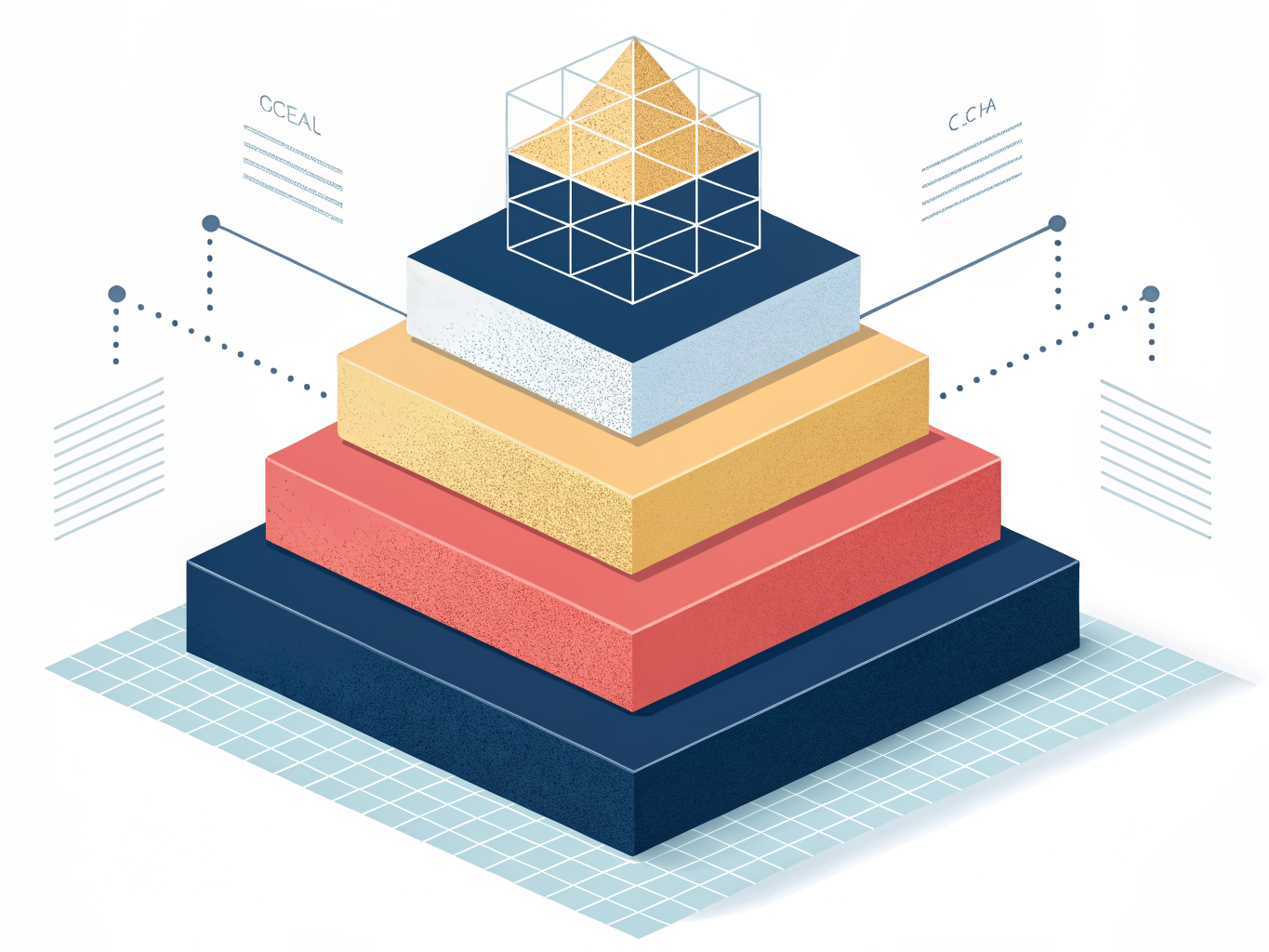
These components collectively create the nervous system that transforms fragmented data silos into unified, intelligent systems.
Infrastructure Data Management Across Key Industries
Infrastructure data management isn't abstract. It's the difference between supply chain collapse and competitive resilience, between grid failures and seamless city operations.
Consider supply chain risk management. Real-time supplier visibility powered by unified data systems lets you detect disruptions before they cascade. Instead of discovering a critical vendor failure weeks later, you're monitoring it as it happens, adjusting sourcing and logistics instantly. Supply chain risk management identifies, assesses, and mitigates risks that disrupt the flow of goods, services, or information, and modern data infrastructure transforms this from reactive scrambling into predictive strategy.
For energy and critical infrastructure operators, the stakes are higher. Real-time monitoring of power grids, water systems, and transmission networks requires integrated data from thousands of sensors and touchpoints. A unified infrastructure data management system catches anomalies before blackouts occur, optimizes load distribution, and ensures compliance with increasingly stringent reliability regulations. One miscalibrated data feed in a fragmented system can cascade into regional failures; integration prevents that entirely.
Smart cities depend on geospatial data integration that goes beyond mapping. Geospatial data allows cities to monitor key systems in real-time, including energy grids and waste management operations, enabling quick adjustments that improve efficiency across multiple infrastructure networks. This means traffic flows optimize themselves, emergency services respond faster, and resource allocation becomes evidence-based rather than guesswork.
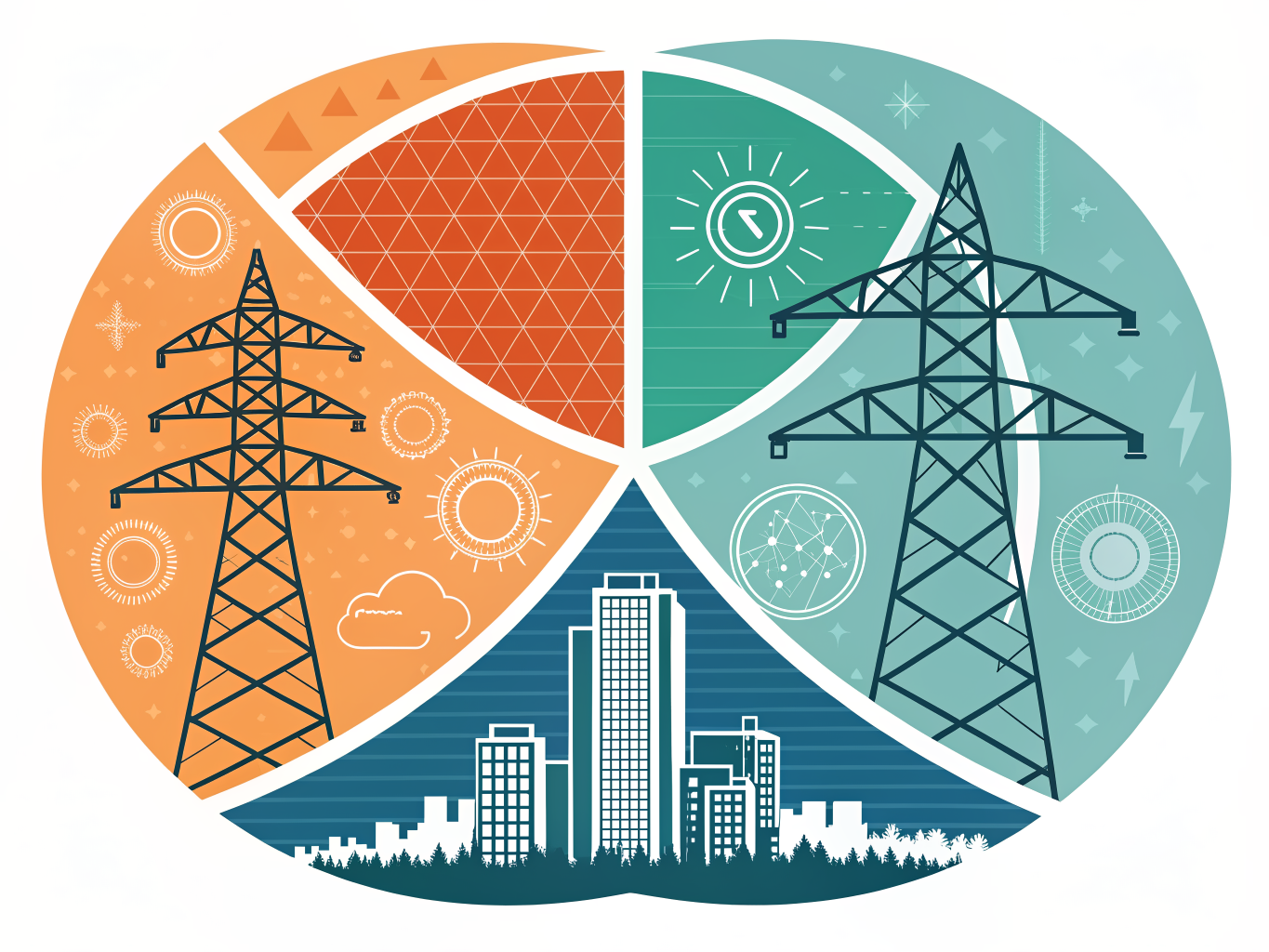
National security implications matter too. Fragmented infrastructure data creates blind spots that adversaries exploit. Unified systems provide comprehensive visibility into critical assets, enabling faster threat detection and coordinated response across sectors.
The pattern is consistent across industries: organizations with fragmented data systems operate reactively; those with integrated infrastructure data management operate strategically. The gap between them widens daily.
2026 Best Practices for Governance, Compliance, and Real-Time Observability
Governance has stopped being a compliance checkbox. In 2026, it's your competitive edge.
The shift is dramatic. Rather than treating data governance as something IT handles in isolation, leading organizations are embedding it directly into daily workflows. This means developers, engineers, and operations teams are building governance into infrastructure decisions from day one, not retrofitting it later. 61% of IT leaders now rank development of a data strategy as their top priority for 2026, signaling a fundamental change in how companies view data planning within infrastructure management.
Here's what this looks like in practice: automated data lineage tracking that shows exactly where every piece of data originates, how it moves through your systems, and who can access it. Pair this with metadata enrichment powered by AI, and you've got visibility that manual processes could never deliver. Real-time observability platforms now detect anomalies before they become incidents, flagging data quality issues instantly rather than discovering them during monthly audits.
Privacy-by-design isn't optional anymore. With over 140 countries now enforcing privacy laws, governance must be woven into architecture from the start. GDPR, CCPA, and emerging regulations demand more than checkboxes; they require systems that automatically enforce access controls, track consent, and maintain audit trails without human intervention.
Gartner predicts that 60% of data management tasks will be automated by 2027, with machine learning detecting failures and predicting issues before they impact operations. This automation isn't replacing people; it's freeing your teams from tedious manual work to focus on strategic decisions.
Clear data ownership matters too. Assign responsibility for specific data domains, establish accountability, and empower teams to maintain quality standards. When people own their data, governance becomes part of their identity, not something imposed from above.
The competitive advantage goes to organizations that treat governance as infrastructure, not bureaucracy.
AI and Automation Transforming Data Infrastructure
The shift from manual data management to intelligent automation represents one of the most significant operational transformations happening in infrastructure teams right now. AI copilots are fundamentally changing how data teams work, handling repetitive classification tasks, metadata enrichment, and anomaly detection that previously consumed countless hours. AI will take center stage in automating data classification, anomaly detection, data lineage, and metadata enrichment, with AI copilots for data teams meaning less time on manual tasks and faster, more accurate insights.
But this isn't just about efficiency gains. Agentic AI systems now operate with real autonomy, making decisions about data remediation and infrastructure health without waiting for human approval at every step. By the end of 2026, the impact of agentic AI on enterprise data management should be visible in significant reductions in manual effort, with fewer decisions needing human review. These systems use predictive analytics to spot infrastructure vulnerabilities before they become outages, fundamentally changing how teams approach risk management.
The catch? This requires rethinking your team structure. You're not eliminating roles; you're evolving them. Your data engineers become AI oversight specialists. Your analysts focus on strategic questions rather than data hunting. The skill gap shifts from "can you classify metadata" to "can you validate AI decisions and set governance boundaries."
Here's what matters most: automation without governance becomes a liability. As these systems handle more decisions autonomously, you need transparent audit trails, clear escalation paths, and human checkpoints for high-risk choices. The teams winning in 2026 aren't those who blindly trust automation or those who resist it. They're the ones building hybrid workflows where AI handles volume and humans handle judgment.
Strategic Implementation Roadmap for 2026
The path forward depends on where you stand today. Start by honestly assessing your current data maturity. Are your systems fragmented across teams? Is data trapped in silos? Do you lack visibility into infrastructure performance? Your biggest pain point becomes your starting point.
For organizations modernizing legacy systems, prioritize infrastructure and observability first. You can't manage what you can't see. Implement centralized monitoring and data collection before layering in analytics or AI capabilities. This foundation prevents costly rework later.
If slow delivery is your bottleneck, shift focus to data products and self-service platforms. Enable teams to access and act on data without waiting for central analytics. This multiplies your impact without proportional resource increases.
Planning to scale AI initiatives? Make data AI-ready now. This means standardizing formats, ensuring quality, and building pipelines that feed machine learning models reliably. Waiting until you need AI to prepare data wastes months.

Budget constraints are real. 74% of IT leaders expect their budgets to increase in 2026, but more than half still lack the internal resources needed to address issues promptly. Work with what you have by choosing quick wins first. Then build the business case for expanded investment using early results.
The urgency is real. Your competitors aren't waiting. Move deliberately but move now.
FAQ: Infrastructure Data Management in 2026
Q: What's the difference between data infrastructure and data management?
Think of infrastructure as the foundation: servers, networks, storage systems, and platforms that hold your data. Management is what you do with it: organizing, securing, governing, and extracting value. You can have solid infrastructure but terrible management (siloed data, poor access controls, compliance gaps). Conversely, excellent management practices can't fix broken infrastructure. Both matter equally.
Q: How much does it cost to modernize?
There's no one-size answer, but expect 15-25% of your annual IT budget for a phased modernization. Smaller operations might invest $500K-$2M; enterprises often spend $10M+. The real cost isn't the initial spend, though. It's the ongoing operational expenses, training, and integration work. Budget for year-two and year-three costs, not just implementation.
Q: Can we implement cloud-native architecture without replacing existing systems?
Yes, but it requires a hybrid strategy. Most enterprises run legacy systems alongside cloud infrastructure for 3-5 years. The key is building strong integration layers so they communicate effectively. This approach costs more upfront but reduces risk and lets you migrate workloads gradually.
Q: How do we ensure compliance with 140+ privacy regulations?
Automate what you can. Use tools that track data lineage, enforce access controls, and generate audit trails. Map your data flows to specific regulations (GDPR, CCPA, HIPAA, etc.) and build compliance checks into your workflows. One platform managing governance across regions beats scattered compliance efforts.
Q: What's the ROI on investment?
Most organizations see payback within 18-24 months through faster analytics, reduced downtime, and better decision-making. Quantify your current costs: manual processes, data quality issues, security incidents. Compare against modernization expenses. The gap is your potential ROI.
Conclusion: Infrastructure Data Management as Competitive Moat
The organizations winning in 2026 aren't treating infrastructure data management as an IT checkbox. They're treating it as the operational nervous system that drives every strategic decision, from capital allocation to risk mitigation to competitive positioning.
This isn't hyperbole. Organizations that implement data management trends in 2026 will set the competitive baseline for the next decade; those that delay will spend years catching up. The window is narrowing. Your competitors are already moving.
Here's what that means practically: the infrastructure leaders establishing unified data ecosystems right now will operate with clarity and speed that fragmented organizations simply cannot match. They'll predict failures before they happen. They'll optimize costs in real time. They'll make investment decisions with confidence instead of guesswork. That's not a technical advantage; that's a business moat.
The complexity is real. Integration is messy. Legacy systems resist change. But the cost of waiting is steeper than the cost of starting imperfectly.
Your next move is clear: assess where your organization stands today. Map your current data maturity across collection, integration, and analytics. Define a realistic 12 to 18 month strategy. Pick one critical use case and prove the value. Build momentum from there.
The infrastructure leaders of the next decade aren't being built by perfect implementations. They're being built by organizations that started now, learned fast, and compounded small wins into competitive advantage. Don't be the organization that starts in 2027 playing catch-up. Start this quarter.
Keep reading

Critical Third Parties: UK Cloud Rule Explained
A Critical Third Party is a provider whose service failure could threaten UK financial stability. The first UK designations are four cloud providers.

Netflix Earnings Put Always-On TV in Focus
Netflix reports Q2 results July 16 after reports it is weighing always-on channels. Arkolith maps NFLX to $284.0B in tracked 13F value.

UK Cloud Watchlist Maps to $4.45T in 13F Value
The UK's first cloud oversight list maps to Microsoft, Alphabet, Amazon and Oracle, which Arkolith tracks across $4.45T of Q1 2026 13F value.