Predictive Asset Maintenance Analytics: Essential Insights for 2026
Last Updated: February 14, 2026
Key Takeaways
- Predictive asset maintenance delivers 10x ROI by preventing failures before they occur through real-time data analysis
- Organizations see 50-75% reduction in unplanned downtime and 25-30% lower maintenance costs within first year
- Market growing to $47.8 billion by 2029, with 95% of implementations reporting positive financial returns
- Success requires data quality, IoT infrastructure, machine learning capabilities, and cross-functional team alignment
What Is Predictive Asset Maintenance Analytics?
Predictive asset maintenance analytics represents a fundamental shift in how enterprises manage their equipment and infrastructure. Rather than waiting for failures to occur or replacing components on fixed schedules, this approach uses sensors, IoT devices, and machine learning to monitor equipment in real time and forecast problems before they happen.
according to AspenTech's predictive maintenance framework, predictive maintenance analytics gathers continuous data from sensors and meters to monitor equipment conditions, then applies machine learning and statistical algorithms to evaluate asset health and predict future performance. The system analyzes metrics like temperature, vibration, pressure, and flow rates, identifying subtle patterns that signal degradation long before catastrophic failure.
This contrasts sharply with two older approaches. Reactive maintenance waits until equipment breaks, resulting in costly unplanned downtime and emergency repairs. Preventive maintenance follows fixed schedules regardless of actual equipment condition, often replacing components prematurely and wasting resources. Predictive maintenance eliminates both inefficiencies by basing decisions on real equipment data.
The business case is compelling. Unplanned downtime costs manufacturers thousands per hour; utilities and supply chains face even steeper consequences. By preventing failures before they occur, organizations reduce emergency repairs, extend asset lifecycles, and maintain production continuity.
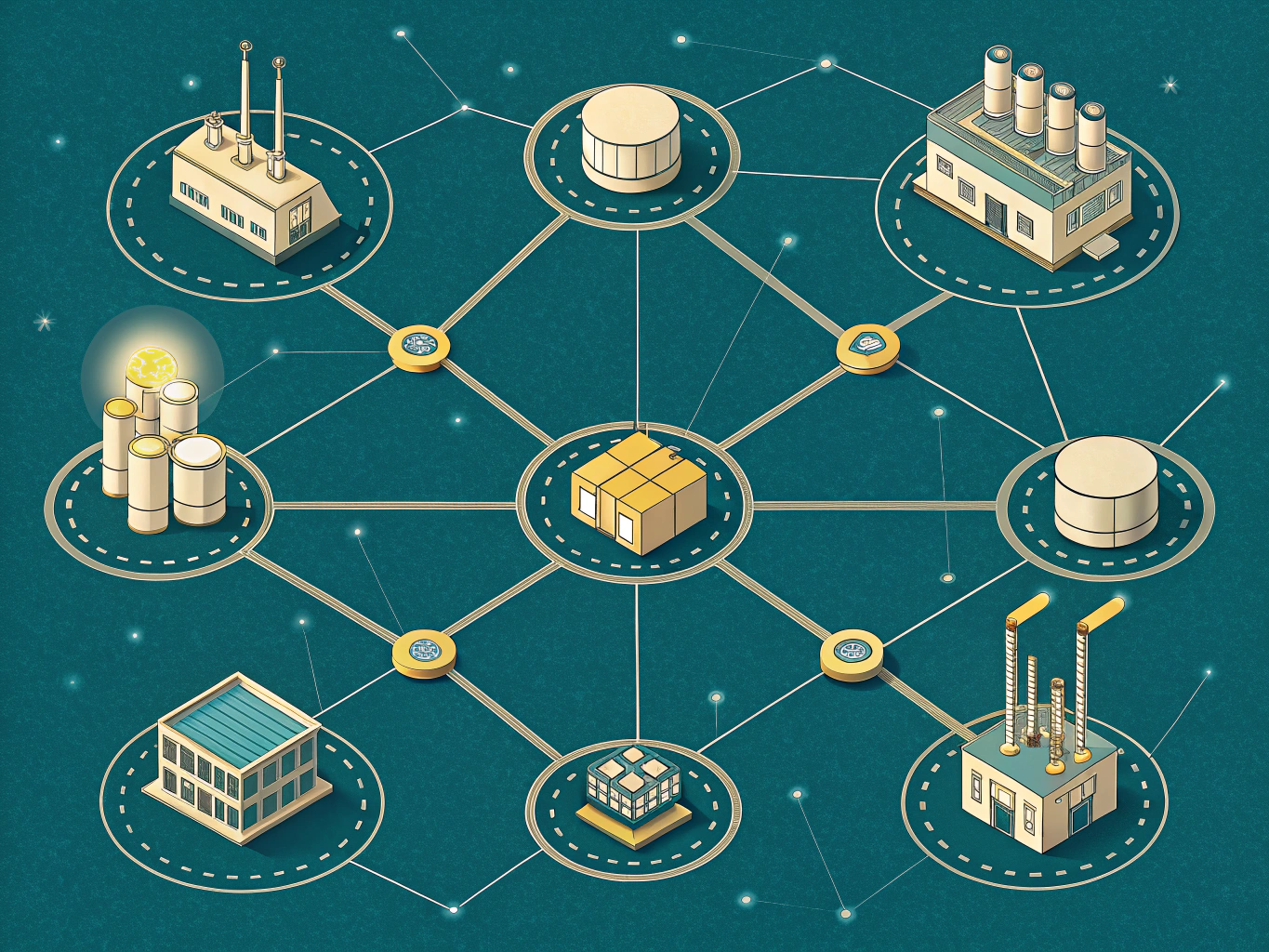
This methodology applies across industries. Manufacturing plants optimize production lines; energy companies prevent pipeline failures; utilities protect critical infrastructure; supply chain operators ensure logistics reliability. As enterprises face tighter margins and greater operational complexity, predictive asset maintenance analytics has become essential for competitive survival.
How Predictive Asset Maintenance Analytics Works
At its core, predictive asset maintenance analytics transforms raw equipment data into actionable intelligence through a multi-stage process that combines IoT sensors, cloud computing, and machine learning.
The journey begins with comprehensive data collection. Machines equipped with sensors continuously gather data on temperature, vibration levels, pressure, or energy consumption, capturing the operational heartbeat of your equipment. These sensors work alongside SCADA systems, CMMS records, and equipment logs to create a complete picture of asset health. Think of this data collection phase as building a detailed medical history for each piece of equipment.
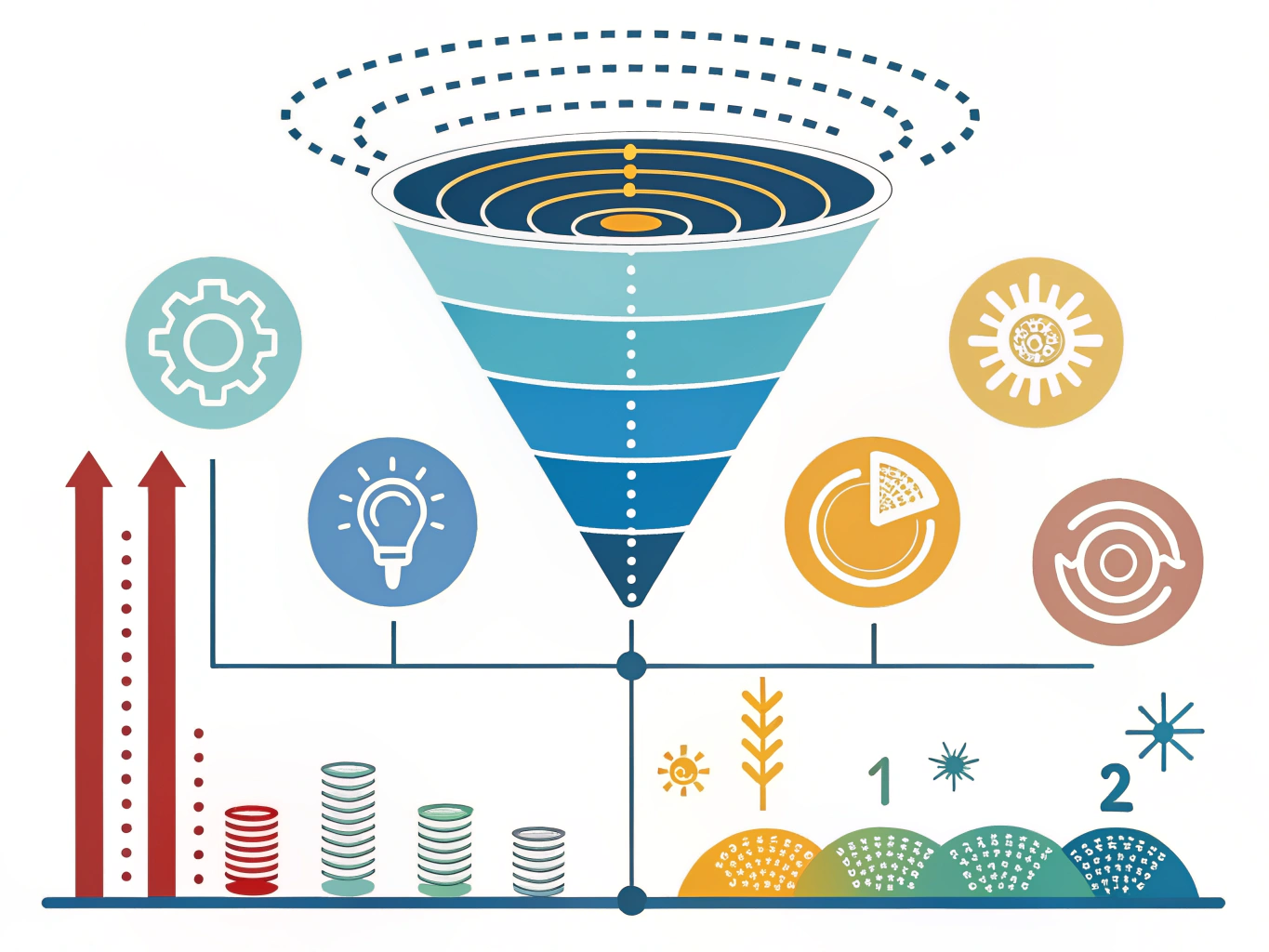
Once collected, this data flows into cloud platforms or edge computing systems where machine learning models analyze patterns. These models function like experienced technicians who've seen thousands of equipment failures; they recognize subtle warning signs invisible to conventional monitoring. The algorithms identify anomalies that historically precede breakdowns, whether that's a slight vibration increase, temperature drift, or unusual energy consumption spikes.
When the system detects concerning patterns, it automatically triggers alerts and generates work orders before failures occur. This isn't a one-time process. The models continuously refine themselves as new operational data arrives, becoming increasingly accurate and context-aware over time. Your analytics platform essentially learns your equipment's unique behavioral patterns, adapting to seasonal variations, operational changes, and equipment aging.
This shift from reactive firefighting to proactive intervention fundamentally changes maintenance economics, reducing unplanned downtime and extending asset lifecycles.
The Business Case: ROI and Financial Impact
The financial case for predictive asset maintenance analytics is stark and compelling. Organizations face a critical choice: continue absorbing the devastating costs of unplanned downtime, or invest in intelligence that prevents it.
Consider the scale of the problem. Unplanned downtime costs manufacturers an estimated $260,000 per hour. For a mid-sized operation, a single unexpected failure can trigger cascading losses across production, safety, and reputation. Yet this outcome is largely preventable.
The data is unambiguous. The Department of Energy indicates that predictive maintenance can yield a potential return on investment of roughly ten times the cost. This isn't theoretical; 95% of companies implementing predictive maintenance report positive returns, with 27% achieving payback within 12 months. One automotive manufacturer prevented $500,000 in costs and avoided five weeks of downtime with ROI achieved in under three months.
The operational benefits translate directly to the bottom line. Plants using predictive or preventive maintenance experienced 52.7% less downtime compared to facilities using reactive maintenance, and 87.3% fewer defects. Organizations typically see 25-30% reductions in maintenance costs while simultaneously extending asset lifecycles by years.
Beyond direct savings, the indirect benefits compound returns. Reduced downtime means improved safety records, fewer compliance violations, and enhanced workforce productivity. AI-driven predictive maintenance reduces infrastructure failures by 73% through continuous monitoring and early detection, creating organizational resilience that competitors still chasing reactive approaches cannot match.
The market recognizes this value. Projected to reach $47.8 billion by 2029 with 35.1% compound annual growth, predictive asset maintenance analytics has moved from emerging technology to essential infrastructure investment.
The question isn't whether to implement predictive maintenance. It's whether your organization can afford the cost of delay.
Key Technologies Enabling Predictive Asset Maintenance
The technology powering predictive asset maintenance operates as an integrated ecosystem, with each component serving a specific function in transforming raw data into actionable intelligence.
At the foundation, IoT sensors and edge devices continuously monitor asset performance in real time. These connected devices capture vibration, temperature, pressure, and operational metrics that would be impossible to gather manually. Rather than sending all data to centralized systems, edge computing processes information locally, filtering noise and reducing latency. This matters because critical anomalies need immediate attention, not delayed cloud processing.
Cloud platforms provide the computational backbone for large-scale analytics. Cloud platforms are enabling smaller organizations to access sophisticated analytics through subscription models, reducing the need to set up complex computing infrastructure locally. This democratization means enterprises of any size can implement sophisticated maintenance strategies without massive capital investments.
Machine learning algorithms detect patterns humans would miss. These systems analyze historical asset behavior to identify early warning signs of failure. When a bearing begins degrading weeks before catastrophic failure, the algorithm recognizes the subtle signature and alerts maintenance teams to intervene proactively.
AI-powered Enterprise Asset Management (EAM) and Computerized Maintenance Management Systems (CMMS) platforms automatically generate optimized work orders based on predictive insights. Rather than reactive emergency repairs, teams receive scheduled maintenance tasks that prevent failures entirely.
Digital twins create virtual replicas of physical assets, enabling scenario modeling and risk assessment without operational disruption. Teams can test interventions virtually before implementing them in production environments.

Finally, data governance frameworks ensure information quality and security throughout the system. Clean, reliable data produces reliable predictions; poor data governance undermines even sophisticated algorithms. This infrastructure layer often receives less attention but determines whether your analytics deliver real business value or false confidence.
Implementation Challenges and How to Overcome Them
Implementing predictive asset maintenance analytics requires honest acknowledgment of real obstacles. The good news: every challenge has a proven solution.
Data quality stands as the primary hurdle, affecting approximately 60% of implementations. Poor data from sensors, incomplete historical records, or inconsistent formats will sabotage even sophisticated algorithms. The fix involves establishing a data governance program before deployment. Audit your existing data sources, standardize collection methods, and assign ownership for ongoing quality management. This groundwork prevents costly mistakes downstream.
Legacy system integration presents another significant complexity. Connecting predictive analytics platforms to decades-old equipment and software requires custom development work, driving costs upward. Rather than replacing everything at once, implement a phased approach. Start with your most critical assets or newest equipment, then expand systematically. This spreads costs and builds internal expertise gradually.
Workforce resistance often derails initiatives that overcome technical hurdles. Your maintenance teams need training not just on new tools, but on fundamentally different thinking. Move from reactive firefighting to proactive planning. Invest in comprehensive training programs and involve frontline workers early in selection and implementation decisions. They'll become your strongest advocates.
Cybersecurity vulnerabilities emerge as connected IoT devices create potential attack vectors. Implement robust encryption, strict access controls, and regular security audits from day one. This isn't optional; connected sensors require serious protective measures.
Budget constraints are real. Initial investments range from $50,000 to over $1 million depending on scale. However, pilot programs containing scope and cost while demonstrating ROI. Most organizations see initial measurable results within 3-6 months, with comprehensive business case validation by 12-18 months. This timeline justifies initial spending through concrete downtime reduction and maintenance cost savings.
Success requires cross-functional teams combining IT, operations, and maintenance expertise. Acknowledge the challenges, but recognize they're manageable when approached systematically. Organizations that push through these obstacles gain significant competitive advantage.
Industry Applications and Use Cases
Predictive asset maintenance delivers measurable results across industries facing equipment reliability challenges. Manufacturing plants implementing these analytics reduce downtime by 50% or more, preventing the catastrophic failures that halt production lines and drain budgets. Aerospace companies like Lufthansa Technik reduced aircraft-on-ground situations from 14 annually to near zero through machine learning analysis of sensor data, directly improving aircraft utilization and customer satisfaction.
Energy and utility companies protect grid stability by monitoring transformers and substations before failures occur. Rather than responding to blackouts affecting thousands of customers, these organizations now anticipate problems days or weeks in advance. Predictive maintenance tools are crucial for maintaining power plants and grid infrastructure, optimizing asset performance by predicting and preventing potential failures.
Supply chain operations depend on fleet reliability. Transportation companies using predictive analytics eliminate unexpected vehicle breakdowns that disrupt delivery schedules and damage customer relationships. Smart cities apply the same principles to municipal water systems, traffic signals, and public infrastructure, reducing emergency repairs and extending asset lifecycles.
Healthcare facilities face unique pressures where equipment failures directly impact patient safety. Predictive monitoring ensures critical devices remain operational while maintaining regulatory compliance. Financial institutions protect their IT infrastructure through continuous monitoring, preventing data breaches and service interruptions that could cost millions.
The pattern is consistent across sectors: organizations transition from reactive maintenance triggered by failures to proactive strategies informed by data. This shift doesn't just reduce unexpected costs; it fundamentally improves operational resilience. Your industry likely faces similar reliability challenges. The question isn't whether predictive asset maintenance applies to your context, but how quickly you can implement it.
Getting Started: A Roadmap for Enterprise Implementation
The path forward requires structure and discipline, but the payoff justifies the effort. Start by quantifying your current reality: calculate annual maintenance costs, measure downtime hours, and identify your five most critical assets. This baseline becomes your scorecard for success.
Next, establish a data governance program. Ensure your equipment sensors and monitoring systems feed clean, standardized data into a centralized platform. Poor data in means poor predictions out; this foundation matters enormously.
Launch a pilot program targeting two or three critical assets where failures carry the highest cost or safety risk. This focused approach builds credibility without overwhelming your team. Implementation typically requires 3-6 months for initial results, 6-12 months for validation, and 12-18 months for comprehensive ROI demonstration, with success depending on cross-functional teams including IT, operations, and maintenance with strong executive sponsorship.
Measure relentlessly against your baseline: compare downtime reduction, maintenance cost savings, and improvements in mean time between failures. Celebrate early wins publicly; momentum matters.
Scale methodically to additional assets based on pilot results. Integrate your predictive system with existing CMMS and ERP platforms to eliminate data silos. Invest in team training and establish continuous improvement cycles that refine your models monthly.
Success requires executive alignment from day one. Leadership must champion the shift from reactive to proactive thinking, allocate budget for technology and training, and tolerate the learning curve.
Your competitive advantage awaits on the other side of implementation. The question isn't whether to start, but when.

Frequently Asked Questions
How much will this cost us?
Implementation costs scale with your operation's size. Small implementations range $50,000-$200,000, medium deployments $200,000-$1 million, and enterprise rollouts exceed $1 million. These figures cover software, sensors, integration, and initial training. Budget for hidden costs: data cleanup, legacy system modifications, and consulting support typically add 20-30% to your baseline estimate.
When do we see ROI?
The math works faster than most expect. 27% of companies achieve full payback within 12 months of implementing predictive maintenance. Many see measurable savings within 3-6 months as unplanned downtime drops. The actual payback timeline depends on your current maintenance costs and equipment reliability challenges. Organizations with high failure rates see returns even quicker.
Will this work with our legacy systems?
Yes, but it requires planning. Older equipment lacks built-in sensors, so you'll need retrofit investments. However, integration middleware and edge computing solutions now make legacy system connectivity straightforward. Expect 2-4 months of additional planning and testing compared to greenfield deployments. The investment pays dividends through extended equipment lifespan and prevented catastrophic failures.
What about data security?
Treat this seriously from day one. Implement encryption for data in transit and at rest, establish role-based access controls, and create governance programs that define who accesses what information. Your solution provider should maintain SOC 2 compliance and regular security audits. This isn't optional; it's foundational.
Do we need data scientists on staff?
Not immediately. Start with experienced consultants who understand your industry and equipment. Build internal capability gradually. Many platforms now feature user-friendly dashboards that let maintenance managers and engineers extract insights without advanced analytics training.
How do we measure success?
Track these metrics: percentage reduction in unplanned downtime, maintenance cost savings per equipment unit, mean time between failures (MTBF) improvement, and equipment lifespan extension. Most organizations see 20-40% downtime reduction within the first year. Set baseline measurements before implementation so you can quantify impact clearly.
Keep reading

Critical Third Parties: UK Cloud Rule Explained
A Critical Third Party is a provider whose service failure could threaten UK financial stability. The first UK designations are four cloud providers.

Netflix Earnings Put Always-On TV in Focus
Netflix reports Q2 results July 16 after reports it is weighing always-on channels. Arkolith maps NFLX to $284.0B in tracked 13F value.

UK Cloud Watchlist Maps to $4.45T in 13F Value
The UK's first cloud oversight list maps to Microsoft, Alphabet, Amazon and Oracle, which Arkolith tracks across $4.45T of Q1 2026 13F value.