Risk Monitoring Systems: Top Features to Look for in 2026

Last Updated: March 17, 2026
Key Takeaways
- Risk monitoring has shifted from quarterly reviews to continuous, real-time tracking powered by data and AI
- Effective ERM programs reduce risk events by 63% and operational losses by 35%, delivering measurable ROI
- Modern systems unify data from multiple sources and provide predictive intelligence to prevent disruptions before they occur
- Organizations need dashboards, automated alerts, risk assessment, and compliance tracking as core capabilities
What Is a Risk Monitoring System?
A risk monitoring system is fundamentally different from the annual risk assessments or quarterly reviews many enterprises still rely on. Rather than waiting for scheduled check-ins, these systems provide continuous oversight of organizational threats across every department and function. According to MetricStream's risk monitoring guide, risk monitoring is the continuous process of tracking identified risks, assessing their status, and evaluating the effectiveness of mitigation strategies.
Modern risk monitoring systems operate as cloud-based platforms that aggregate data from multiple sources, supply chain operations, compliance frameworks, security protocols, and financial systems all feed into a centralized hub. This consolidation happens in real time, meaning your leadership team can access current risk assessments instantly rather than waiting for manual report compilation. Diligent defines a risk monitoring platform as a cloud-based solution providing real-time oversight through continuous data analysis, automated compliance tracking, and intelligent reporting capabilities.
The critical shift here is moving from reactive to proactive risk management. When you're monitoring risks continuously, you catch emerging threats before they escalate into crises. You identify patterns that spreadsheets simply cannot surface. You measure whether your mitigation efforts are actually working or just creating the illusion of control.

In today's volatile environment where regulatory requirements shift monthly and threats emerge constantly, this transition from periodic reviews to continuous intelligence isn't optional anymore. It's the baseline expectation for enterprise risk management.
Why Risk Monitoring Matters Now More Than Ever
The stakes for enterprise risk management have never been higher. Organizations operating in 2026 face a convergence of threats that traditional, reactive approaches simply cannot handle. The numbers tell a stark story: Deloitte's research shows that 85 percent of surveyed global supply chains experienced at least one disruption in the past 12 months. That's not a worst-case scenario; that's the baseline reality.
The velocity of threats compounds the problem. Vanta's State of Trust Report reveals that 55% of teams encounter weekly threat activity, with nearly 4 in 5 experiencing threats monthly. When threats arrive this frequently, spreadsheets and quarterly reviews become obsolete. Your team needs visibility and response capability measured in hours, not weeks.
The financial consequences of inaction are brutal. A single supplier failure can halt operations within 72 hours in today's interconnected ecosystem. Manufacturing plants go silent. Revenue stops. Customers get angry. The cascade effect is unforgiving. Yet here's the encouraging part: organizations that take a proactive stance see tangible results. According to Deloitte, companies that proactively manage supply chain risk spend 50 percent less managing supplier disruptions than those without structured risk programs.
This isn't theoretical. Proactive risk monitoring transforms how enterprises respond to threats. Instead of discovering problems after damage occurs, you detect vulnerabilities before they escalate. Instead of firefighting across multiple systems, you get integrated intelligence. The difference between reactive and predictive approaches determines whether your organization survives disruption or becomes a cautionary tale. In 2026, the choice isn't whether to invest in modern risk monitoring; it's whether you can afford not to.
Core Features Every Risk Monitoring System Should Have
Modern risk monitoring systems share five critical capabilities that separate them from outdated spreadsheet-based approaches. Understanding what each does helps you evaluate solutions that actually fit your organization's needs.
Real-time data integration forms the foundation. Your system needs to pull information simultaneously from ERP systems, CRM platforms, financial databases, and external threat feeds. Modern platforms pull data from multiple sources, including ERP systems, CRM platforms, financial databases, and external threat feeds. This complete data picture helps organizations spot risk connections that manual reviews often miss. Without this integrated view, you're working with fragmented snapshots instead of a complete risk picture.
Predictive analytics powered by AI shifts you from reacting to risks to anticipating them. Advanced systems now forecast supplier failures, market disruptions, and operational vulnerabilities 90 to 180 days in advance, giving your team time to implement preventive measures rather than scrambling through crisis management. This forward-looking capability is what separates strategic risk management from reactive firefighting.

Centralized dashboards deliver continuous visibility into risk metrics and emerging trends without requiring teams to hunt through multiple systems. Color-coded risk indicators, trend lines, and drill-down capabilities let executives understand your risk position at a glance while analysts access granular details when needed.
Automated alerts and notifications ensure threats don't slip past your team. When risk thresholds are breached or suspicious patterns emerge, the system notifies relevant stakeholders immediately, enabling rapid response before issues escalate.
Finally, compliance mapping and automated reporting handle the regulatory burden. Systems that automatically map your risks against frameworks like ISO 31000, SOX, and industry-specific regulations reduce manual documentation work while ensuring nothing falls through the cracks. Essential risk management features include risk assessment, risk reporting, dashboards, and alerts/notifications, with 88% of reviewers deeming risk assessment critical and 86% finding risk reporting essential.
These five capabilities working together create the intelligence infrastructure modern enterprises need to manage complexity at scale.
How Predictive Analytics Transforms Risk Management
The shift from reactive to predictive risk management represents perhaps the most significant transformation in enterprise risk oversight. Traditional spreadsheet-based approaches leave organizations perpetually behind, responding to crises after they've already inflicted damage. Predictive analytics fundamentally rewires this equation by identifying leading indicators before disruption occurs.
Modern risk monitoring systems leverage machine learning to detect patterns humans would never spot. A supplier showing subtle cash flow deterioration, regulatory filing delays, or quality metric degradation might appear stable in isolation. But predictive models connect these signals across months of historical data, flagging supplier failure risk 90 to 180 days before actual collapse. The same applies to financial distress and regulatory violations; early warning systems catch compliance drift before it becomes a violation.
This temporal advantage translates directly to cost reduction. Organizations using data-driven approaches cut emergency procurement costs by 40 to 60% compared to those managing supplier crises reactively. Why? Because preventive action costs far less than emergency sourcing, expedited shipping, and production line downtime.
Real-time visibility dashboards compress response windows from weeks to hours. Rather than waiting for monthly risk reviews, teams access live control monitoring and automated testing results instantly. A compliance gap identified at 2 PM can trigger remediation before market close. A supplier quality issue surfaces in dashboards before inventory arrives at your warehouse.
The ROI compounds when you consider avoided disruptions. One prevented supply chain breakdown can justify years of platform investment. One regulatory violation avoided saves millions in fines and reputational damage. One financial partner collapse mitigated protects revenue streams and customer relationships.
The organizations winning in 2026 aren't those with the best spreadsheets. They're those embedding continuous, intelligent oversight into their risk infrastructure. Predictive intelligence doesn't eliminate risk; it simply ensures you see it coming.
Risk Monitoring Across Different Departments
The real power of modern risk monitoring systems emerges when you stop thinking about isolated departmental tools and start recognizing how unified platforms serve multiple stakeholders simultaneously.
Supply chain teams rely on network mapping and supplier scorecards to detect vulnerabilities before they cascade into disruptions. They're monitoring geopolitical events, transportation delays, and financial health of critical vendors in real time. Finance and compliance functions, meanwhile, track regulatory adherence and operational controls with granular precision. They need audit trails, exception reporting, and automated alerts when thresholds breach. IT and security teams integrate SIEM systems and threat intelligence feeds to correlate security incidents with business impact, moving beyond alert fatigue toward contextual risk assessment.
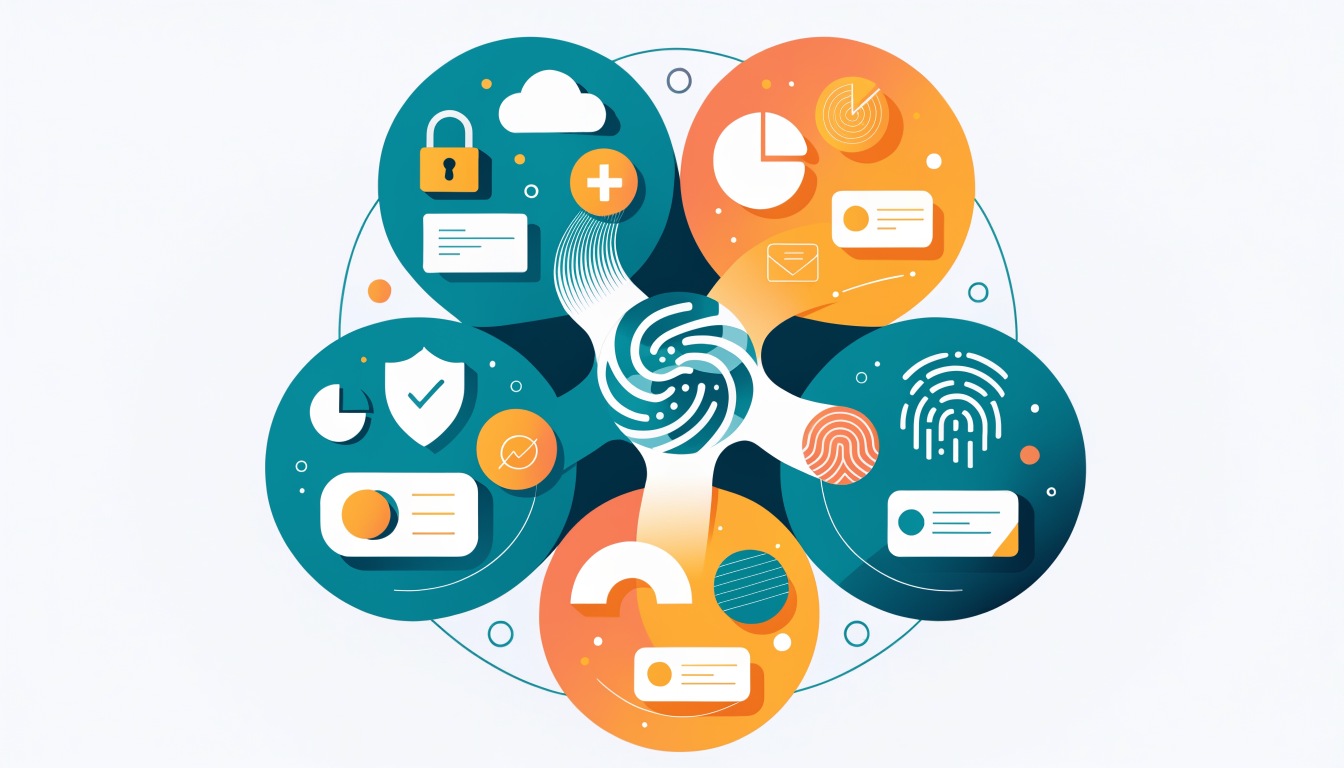
Internal audit functions are shifting from periodic sampling to continuous control monitoring. Rather than waiting for quarterly reviews, audit teams monitor control effectiveness in real time, catching breakdowns the moment they occur. Executive leadership gains something equally valuable: a unified risk view that connects dots across functions. When supply chain disruption impacts financial forecasts, which influences compliance obligations, leaders see the full picture simultaneously.
The organizations winning this transition aren't just adopting new software. They're fundamentally changing how risk conversations happen across departments, replacing siloed spreadsheets with shared intelligence that makes everyone's job more effective.
Evaluating and Selecting a Risk Monitoring System
Selecting the right risk monitoring system requires a structured evaluation approach. Begin by auditing your current tech stack and identifying critical data sources. Your platform must integrate seamlessly with existing systems, whether that's your ERP, financial software, or security tools. Poor integration means manual data entry, which defeats the purpose of modernization.
Next, test the analytics engine. Risk assessment is deemed critical by 88% of reviewers, yet many systems fail to deliver actionable insights. Evaluate whether the platform uses AI-driven risk scoring that actually learns from your organization's historical patterns, not just generic algorithms. Request a proof-of-concept with your real data.
Dashboard usability matters more than you'd think. Dashboards provide a centralized view of all risk metrics that non-technical stakeholders can understand immediately. If your compliance team needs a data scientist to interpret alerts, you've chosen wrong.
Verify compliance framework support. Your system must handle NIST, ISO 27001, GDPR, and SOC 2 requirements without workarounds. Test automated alert workflows under pressure, not in ideal conditions. Finally, calculate ROI conservatively. An effective ERM program can reduce risk event frequency by as much as 63% and lower operational losses by up to 35%. Map these benchmarks to your specific risk profile and quantify expected savings before committing.
Frequently Asked Questions About Risk Monitoring Systems
We hear the same concerns repeatedly from organizations evaluating risk monitoring systems, so let's address them directly.
How long does implementation actually take? Most mid-sized enterprises see their core system operational within 4 to 12 weeks, though full integration across all departments typically spans 3 to 6 months. The timeline depends heavily on your current data infrastructure and how many legacy systems need connecting. Quick wins often emerge in the first month, which helps build internal momentum.
Will this work with our existing tools? Yes. Modern risk monitoring platforms integrate with your current ERP, SIEM, compliance software, and data warehouses. API-first architecture means you're not ripping out your tech stack. That said, integration complexity varies. Some connections are plug-and-play; others require middleware configuration. Budget for integration expertise in your implementation plan.
What about cost? According to Capterra reports, enterprise risk monitoring software ranges from $120 monthly for basic features to $800 per month for advanced functionalities. Most organizations spend $500 to $1,500 monthly depending on user count, data volume, and feature depth. Don't forget implementation, training, and ongoing support costs in your budget calculations.
How do we measure ROI? Track concrete metrics: incident response time reduction, compliance violations prevented, audit findings resolved faster, and operational losses avoided. Many clients see ROI within 18 months through reduced risk events alone. More importantly, quantify the value of visibility. When your executive team actually understands your risk posture in real time, decision-making improves immediately.
Can smaller organizations use these systems? Absolutely. You don't need 10,000 employees to benefit from predictive risk intelligence. Smaller organizations often see faster ROI because they implement more thoroughly and experience fewer integration headaches. The question isn't company size; it's whether you're managing risks reactively through spreadsheets or proactively through data. That shift matters at any scale.
The Future of Risk Monitoring: What's Next for Your Organization
The era of quarterly risk reviews and spreadsheet-based tracking is over. Organizations that still rely on reactive monitoring are operating with a significant competitive disadvantage, essentially flying blind until problems surface. The winners in 2026 treat risk monitoring as a continuous, data-driven discipline powered by predictive intelligence rather than historical analysis.
This shift isn't theoretical. In 2026, the companies winning at SCRM treat it as a data problem first and a strategy problem second, using predictive analytics, real-time dashboards, and machine learning to shift from reactive firefighting to proactive prevention. Real-time visibility across your supply chain, operations, and compliance infrastructure means you catch emerging threats before they escalate into crises.
The foundation of this transformation is data unification. Fragmented risk signals scattered across systems create blind spots. Modern platforms consolidate these signals into a single source of truth, then layer AI-driven predictive analytics on top to identify patterns humans would miss. Automated response mechanisms mean your team spends less time fighting fires and more time on strategic risk reduction.
Your next step is clear: audit your current monitoring infrastructure. Identify where you're still reactive, where data lives in silos, and where manual processes drain resources. Then move toward a platform that unifies your risk data and delivers the predictive intelligence your organization needs to stay ahead of threats, not chase them.
Keep reading

Critical Third Parties: UK Cloud Rule Explained
A Critical Third Party is a provider whose service failure could threaten UK financial stability. The first UK designations are four cloud providers.

Netflix Earnings Put Always-On TV in Focus
Netflix reports Q2 results July 16 after reports it is weighing always-on channels. Arkolith maps NFLX to $284.0B in tracked 13F value.

UK Cloud Watchlist Maps to $4.45T in 13F Value
The UK's first cloud oversight list maps to Microsoft, Alphabet, Amazon and Oracle, which Arkolith tracks across $4.45T of Q1 2026 13F value.