Supply Chain Analytics: Complete Guide for Enterprise Leaders
Last Updated: February 8, 2026 TL;DR: Key Takeaways on Supply Chain Analytics Supply chain analytics combines data from multiple systems to enable smarter decis...
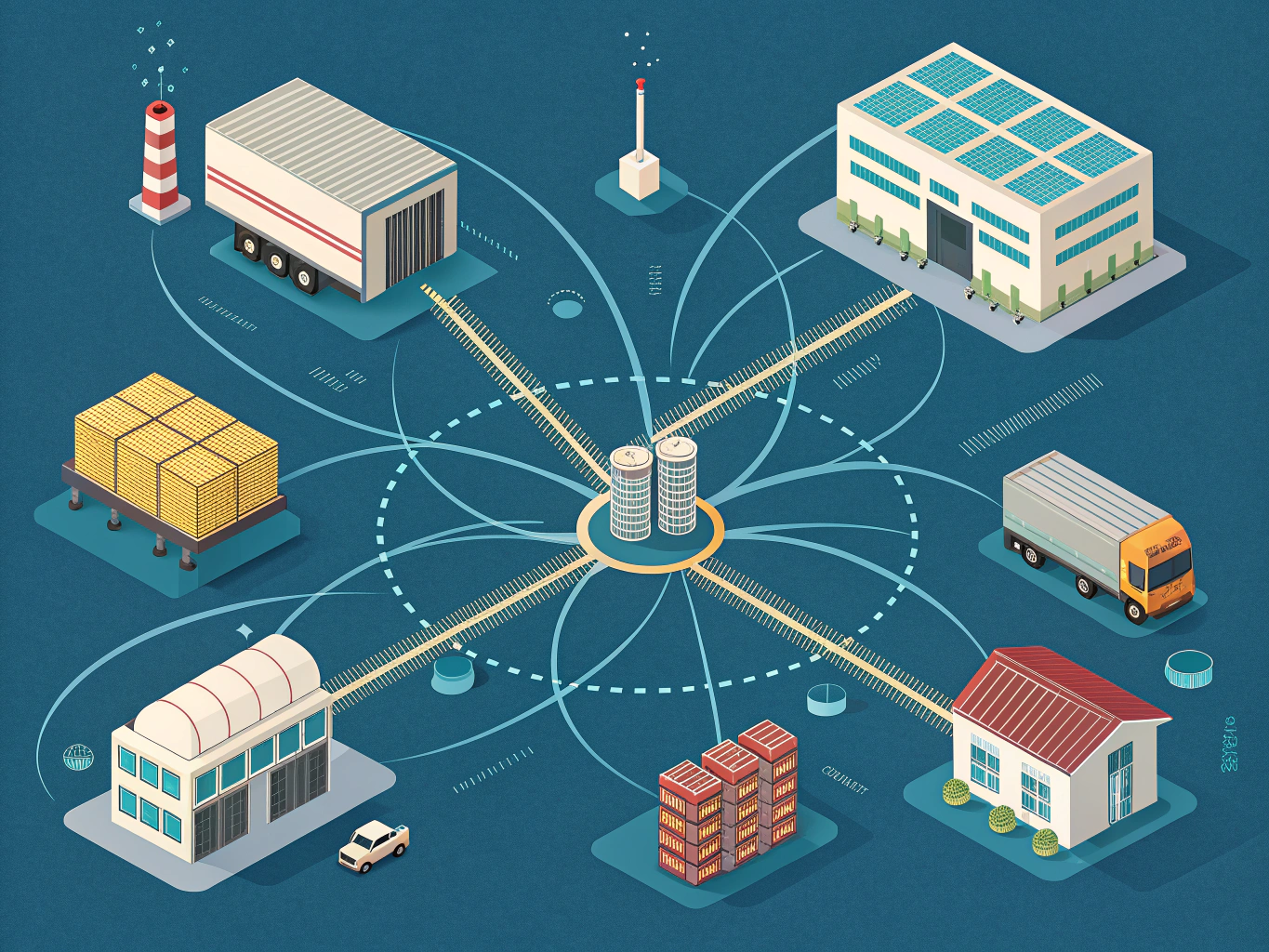
Last Updated: February 8, 2026
TL;DR: Key Takeaways on Supply Chain Analytics
- Supply chain analytics combines data from multiple systems to enable smarter decisions, reduce costs, and build operational resilience
- AI-driven forecasting reduces errors by 20-50% and boosts efficiency by 65% through predictive orchestration and real-time visibility
- Market growing rapidly: predictive analytics segment expanding to $48.34B by 2031 at 26.51% CAGR; 55% of leaders increasing tech investments
- Five analytics types (descriptive, diagnostic, predictive, prescriptive, cognitive) work together to transform supply chains from reactive to proactive
What is Supply Chain Analytics? A Clear Definition
Supply chain analytics combines data from procurement, processing, and distribution systems to reveal patterns invisible to traditional reporting. It transforms disconnected information into actionable intelligence, fundamentally shifting organizations from reacting to disruptions to anticipating them.
This distinction matters urgently. Companies operating with reactive approaches remain trapped in a costly cycle: they respond to problems after they've already cascaded through operations, inventory sits idle or expires, and margins erode. The cost is staggering. Around $163 billion of inventory is lost every year due to expiration or overproduction alone.
The market has taken notice. The supply chain analytics sector is projected to grow from $11.79 billion in 2025 to $48.34 billion by 2031, reflecting the genuine competitive pressure driving adoption. Organizations that delay are falling behind.
The business impact justifies the urgency. AI-driven forecasting can reduce supply chain errors by between 20 and 50 percent, leading to a 65 percent boost in efficiency. These aren't incremental improvements; they're operational transformations that directly strengthen profitability and customer satisfaction.
In 2026, supply chain analytics is no longer optional infrastructure. It's the difference between supply chains that respond to market realities and those that anticipate them. The organizations building predictive capabilities now are positioning themselves as market leaders while their competitors scramble to catch up.
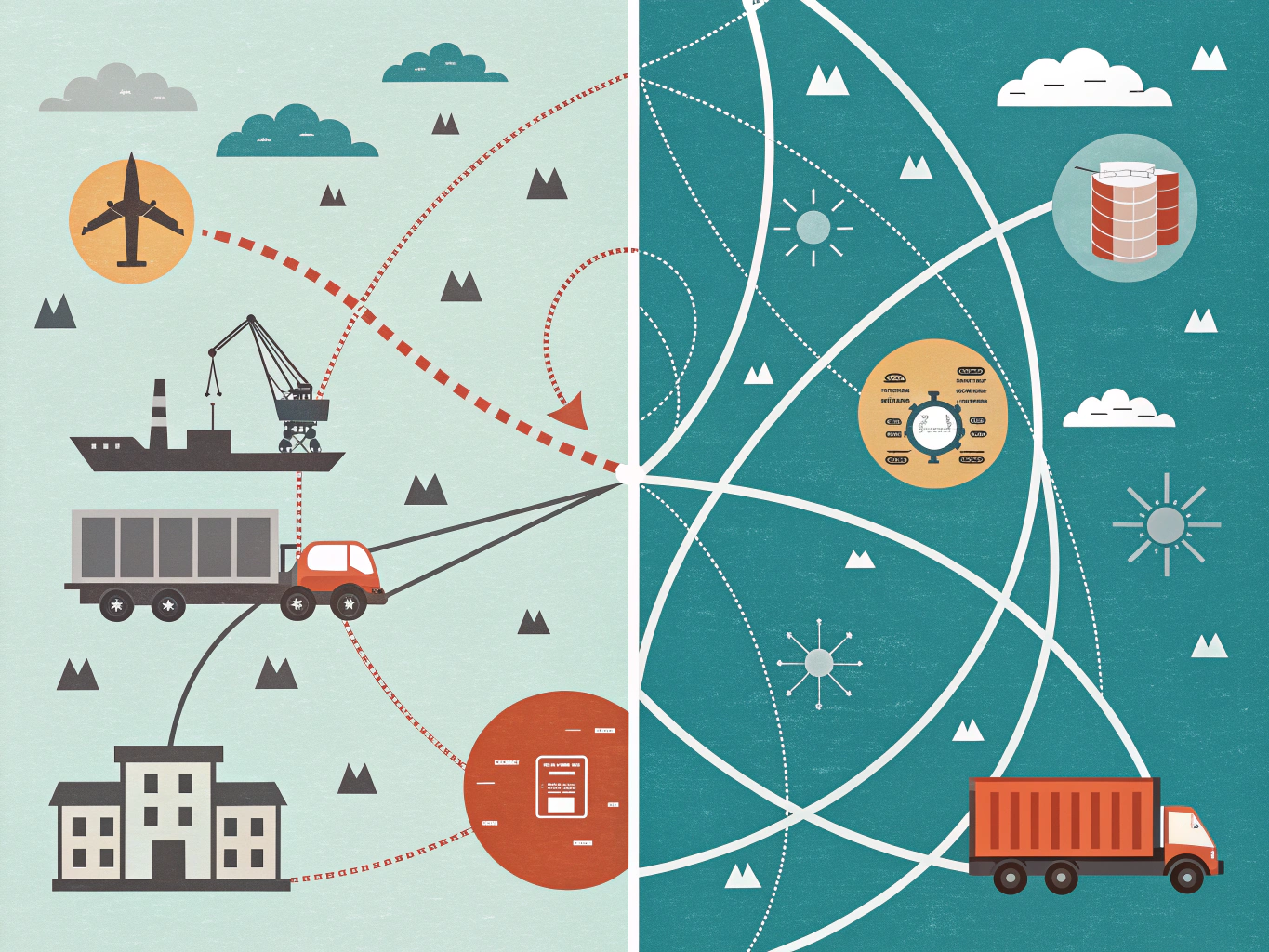
The Five Types of Supply Chain Analytics Explained
Most supply chain leaders encounter five distinct types of analytics, each answering a different business question. Understanding how they work together transforms raw data into actionable strategy.
Descriptive analytics answers "what happened?" by examining historical data, trends, and performance metrics. A retailer might use it to track inventory turnover across locations or monitor shipping costs month-over-month. Descriptive analytics uses data to describe trends and relationships, such as supply chain performance or a warehouse's inventory levels. It's your baseline; essential but incomplete on its own.
Diagnostic analytics goes deeper, asking "why did it happen?" This type investigates root causes behind performance gaps. If delivery times spiked in a particular region, diagnostic analysis uncovers whether the issue stems from carrier delays, warehouse staffing shortages, or demand surges. You're no longer just observing problems; you're understanding them.
Predictive analytics shifts perspective to "what will happen next?" using historical patterns to forecast future demand, identify supply disruptions before they occur, or predict equipment failures. A manufacturer might forecast component shortages three months out, allowing time to source alternatives rather than facing production halts.
Prescriptive analytics takes prediction further by recommending specific actions. Prescriptive analytics is the process of analyzing data to prescribe solutions using machine learning algorithms. Instead of predicting a bottleneck, it suggests optimal inventory levels, routing adjustments, or supplier switches to prevent it. This is where analytics directly drives decisions.
Cognitive analytics represents the frontier, using artificial intelligence and machine learning to recognize complex, non-obvious patterns humans might miss. It continuously learns from new data, adapting recommendations without explicit reprogramming.
The progression isn't linear. Mature supply chains layer all five, creating feedback loops where insights from one type inform the next. Descriptive establishes what's happening; diagnostic explains why; predictive anticipates what's coming; prescriptive recommends solutions; cognitive learns and improves autonomously. Together, they transform analytics from a reporting function into a strategic competitive advantage.
How Supply Chain Analytics Works: The Architecture and Process
Supply chain analytics operates through a systematic four-stage process that transforms raw operational data into competitive intelligence.
Stage 1: Data Collection from Multiple Sources
Data is sourced from operational systems managing procurement, inventory, orders, warehousing, fulfillment, and transportation, according to Qlik. But modern supply chains pull from far beyond legacy ERP and WMS platforms. IoT sensors embedded in shipments, equipment, and facilities provide real-time visibility. Supplier databases reveal capacity constraints and lead times. Market data, weather patterns, and even social signals inform demand forecasting. This diversity of inputs creates a richer, more predictive foundation than siloed systems ever could.
Stage 2: Data Pipeline and Integration
Raw data means nothing without preparation. The pipeline cleanses information by removing duplicates and errors, then integrates disparate sources into a unified data model. According to Tredence, this integration allows a comprehensive view of supply chain activities across functions that traditionally operated independently. The result is a single source of truth rather than competing versions scattered across departments.
Stage 3: Analytics Processing
AI and machine learning algorithms process both structured and unstructured data in real-time, identifying patterns humans would miss. These engines detect anomalies, correlate variables, and build predictive models that anticipate disruptions weeks or months ahead.
Stage 4: Actionable Intelligence
The analytics engine outputs dashboards showing current performance, forecasts predicting future scenarios, automated alerts flagging risks, and prescriptive recommendations guiding decisions. Rather than asking "what happened," decision-makers now ask "what's likely to happen and what should we do about it."
The emerging standard for 2025-2026 involves predictive orchestration, where AI-based control towers integrate procurement, manufacturing, and logistics data. This replaces fragmented planning tools with coordinated, forward-looking decision-making across the entire network.
Seven Critical Business Benefits of Supply Chain Analytics
Modern supply chain analytics delivers measurable business results that extend far beyond operational efficiency. Here's what leaders can realistically expect:
Demand forecasting accuracy transforms how you manage inventory. By analyzing customer data and market patterns, analytics helps you predict future demand with precision, reducing both stockouts that frustrate customers and overstock situations that tie up capital. Better forecasts mean inventory turns faster, freeing up cash for growth.
Cost reduction remains the headline benefit. Analytics identifies inefficiencies hiding throughout your network, from suboptimal transportation routes to unnecessary carrying costs. Research shows that a 50% reduction in supply chain costs directly doubles profits, making this not just an operational win but a financial one.
Risk mitigation has shifted from reactive to predictive. Rather than discovering supplier problems after they impact production, analytics spots patterns and trends that signal emerging risks. IBM notes that supply chain analytics can identify known risks and help predict future ones by spotting these patterns, building genuine resilience into your operations.
Real-time visibility means you see your entire supply chain from raw materials through final delivery. This transparency enables faster decision-making when disruptions occur, replacing scrambling with informed action.
Sustainability increasingly drives competitive positioning. Analytics tracks carbon emissions across your network and identifies opportunities for greener logistics. 44% of supply chain professionals identified environmental concerns and sustainability initiatives as the most significant trend, making this both an ESG requirement and a customer expectation.
Operational efficiency gains average 65% through reduced errors, faster decisions, and automation of routine tasks. Your team focuses on strategy rather than firefighting.
Finally, organizations adopting advanced analytics first gain competitive advantage. Superior customer fulfillment and faster response times aren't incremental improvements; they reshape market position.
Real-World Applications: How Enterprises Use Supply Chain Analytics
Enterprise organizations across industries are already capturing measurable value from supply chain analytics. Here's how they're doing it:
Demand Planning and Forecasting
Retailers and manufacturers now combine historical sales data with predictive models to forecast demand with remarkable accuracy. Predictive analytics can use data integrated from disparate data sources to accurately forecast demand and identify changes in customer buying behavior. This means accounting for seasonality, market trends, and even external factors like weather or economic shifts. The payoff: less excess inventory gathering dust in warehouses and fewer stockouts that disappoint customers.
Inventory and Warehouse Operations
Rather than guessing at optimal stock levels, companies now use analytics to balance carrying costs against service levels. Analytics can analyze historical data and help businesses store items frequently ordered together in the same location to streamline warehouse operations. This dual focus reduces both waste and missed sales opportunities.
Transportation and Logistics
Route optimization algorithms now cut fuel costs and delivery times simultaneously. Load planning tools maximize vehicle capacity while minimizing handling. Carrier performance dashboards reveal which logistics partners consistently deliver on time and within budget, enabling smarter partnership decisions.
Supplier Risk Management
By analyzing supplier performance data, predictive analytics helps companies identify reliable suppliers and which ones may pose risks. Early warning systems flag potential disruptions before they cascade through your supply chain, giving you time to diversify or strengthen relationships.
Production Scheduling and Sustainability
Manufacturing plants now align production schedules directly to demand forecasts, cutting waste and improving capacity utilization. Meanwhile, analytics tracks carbon emissions across transportation and operations, supporting ESG commitments.
Key Challenges and How to Overcome Them
Implementing supply chain analytics sounds straightforward until you encounter the real obstacles. Most enterprises face a predictable set of barriers, but understanding them upfront makes them manageable.
Data fragmentation remains the biggest hurdle. Your procurement system doesn't talk to your warehouse management platform, which operates independently from logistics. Less than a quarter of available supply chain data was being analyzed, despite companies accessing 50 times more data than five years prior, according to IBM research. The solution isn't buying new software; it's establishing data governance frameworks that break down territorial ownership and create unified data standards across departments.
Quality matters more than quantity. Inaccurate, incomplete or inconsistent records drastically undermine analytics utility by producing unreliable insights. Invest upfront in data cleaning and validation processes. This sounds tedious but pays dividends immediately.
Legacy infrastructure complicates everything. A major obstacle hindering broader market expansion is the challenge of merging modern analytical tools with aging legacy infrastructure, according to the 2025 MHI Annual Industry Report. Rather than replacing systems overnight, adopt middleware solutions that translate between old and new platforms.
The talent gap is real. Qualified supply chain analysts and data specialists command premium salaries. Build capability gradually by upskilling existing team members and partnering with external consultants during transition phases.
Implementation costs are substantial, but frame them as investments in competitive advantage, not expenses. Start with high-impact use cases that demonstrate ROI within months, then expand methodically.
Finally, cultural resistance often outlasts technical challenges. Leadership buy-in and transparent communication about how analytics improve decision-making, not replace people, are essential for lasting adoption.
Frequently Asked Questions About Supply Chain Analytics
What's the typical ROI for supply chain analytics?
The math is compelling. Organizations implementing analytics see cost reductions of 50% or more, which directly doubles profit margins in many cases. You'll also experience efficiency gains around 65%, reduced inventory waste, and faster order fulfillment. These aren't theoretical numbers; they're what mature programs consistently deliver.
How long does implementation take?
Timeline depends on your starting point. A focused pilot project typically runs 3 to 6 months, letting you test concepts and build internal support. Full enterprise deployment usually spans 12 to 24 months, accounting for data integration, team training, and process refinement.
What tools should we invest in?
You need three core components: ERP systems that feed clean data, cloud data platforms for processing, and business intelligence tools that surface insights in real time. The platform must handle streaming data, not just batch processing. Integration capability matters more than brand name.
Do we need new talent?
Partially. Supply chain analyst roles are growing 9% through 2033, according to the U.S. Bureau of Labor Statistics, so hiring experienced analysts strengthens your team. But don't overlook upskilling current staff; many supply chain professionals adapt quickly to analytics tools with structured training.
What's the best starting point?
Begin with a pilot targeting your highest-impact problem: maybe demand forecasting or inventory optimization. This builds organizational momentum faster than attempting full transformation immediately. Secure early wins, then expand.
How do we ensure data quality?
Invest in data governance frameworks, cleansing tools, and dedicated data stewards. Quality isn't one-time; it requires continuous monitoring and refinement as systems evolve.
Key Takeaways: What You Need to Remember
Supply chain analytics isn't a nice-to-have anymore; it's the difference between leading your market and falling behind. Here's what matters most:
Analytics drives measurable results. Organizations implementing predictive analytics see 20-50% error reduction and 65% efficiency gains. These aren't theoretical numbers; they're what's happening in supply chains right now.
Start with your biggest pain points. Pilot projects on high-impact use cases deliver faster ROI than enterprise-wide rollouts. Focus on areas where visibility gaps cost you the most: demand forecasting, inventory optimization, or supplier risk.
Data quality determines success. The best algorithms fail on bad data. Before investing heavily in advanced analytics, audit your data sources and establish governance standards. This foundation matters more than the tool you choose.
Real-time visibility is becoming standard. Control towers and AI-powered orchestration are replacing siloed planning across leading organizations. By 2026, predictive orchestration won't be competitive advantage; it'll be table stakes.
Your team needs investment too. Supply chain analyst roles are growing 9% through 2033. Invest in building capabilities within your organization, not just buying software. Culture change and talent development determine whether analytics transforms your operations or sits unused.
The market confirms this direction. Predictive analytics spending is reaching $48.34B by 2031, with 55% of leaders increasing technology investments now. You're not betting on a trend; you're joining the majority.
The Future of Supply Chain Analytics: What's Next
The supply chain analytics landscape is entering a decisive phase. Organizations that invested in pilots over the past two years are now scaling what works, moving generative AI from experimental projects into production environments. The number of organizations investing in generative and causal AI increased by 12% year-over-year, marking a decisive shift from experimental pilots to scalable deployments. This isn't incremental improvement; it's structural transformation.
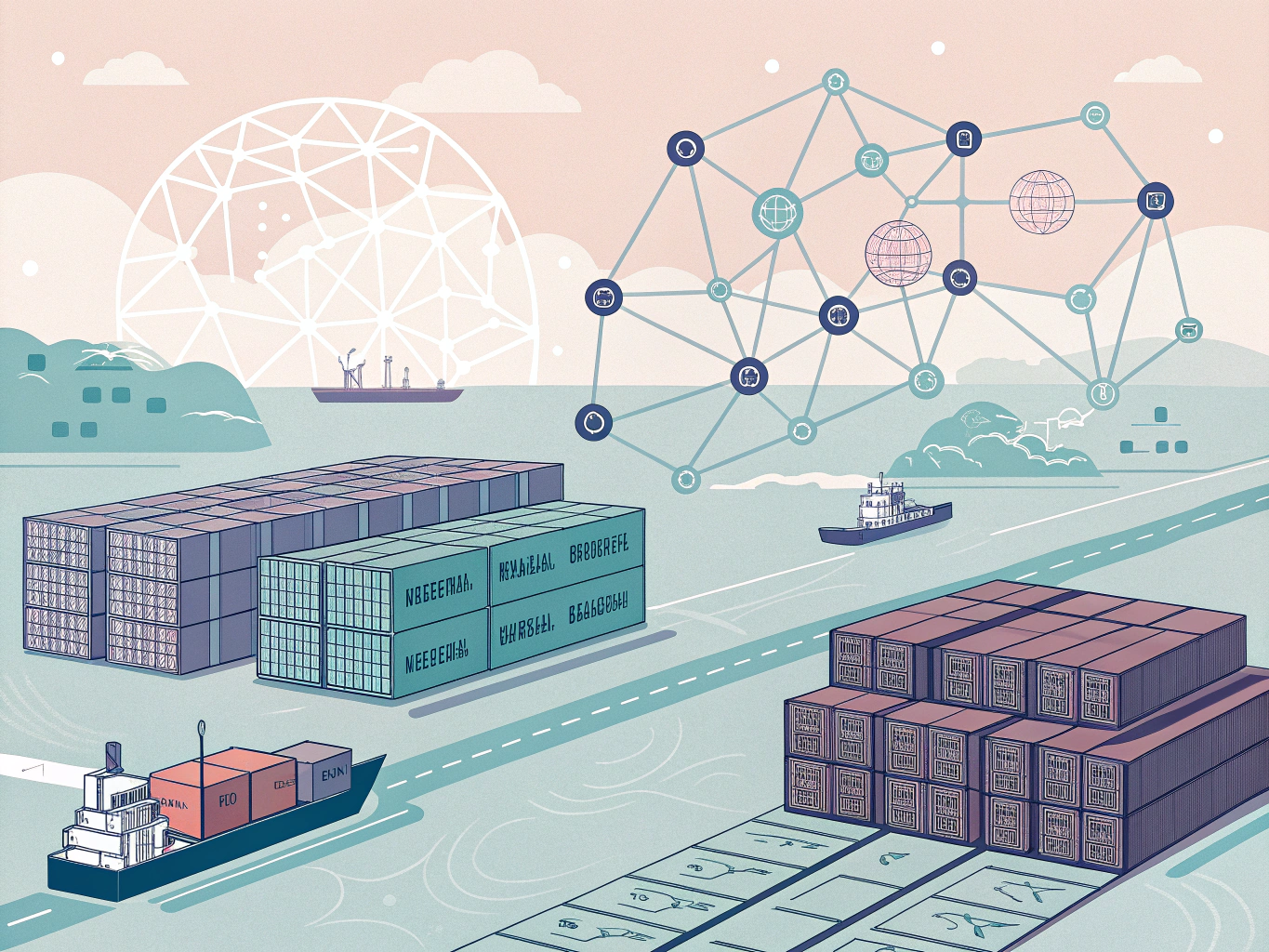
Digital twins are becoming standard tools for scenario planning. Autonomous logistics and AI-driven routing are reducing last-mile costs while improving sustainability metrics. Yet data quality remains critical; blockchain-based data provenance and data clean rooms are emerging as standard infrastructure to ensure AI systems work with trustworthy information.
The convergence is clear: supply chains are shifting from cost centers to competitive weapons. Organizations integrating sustainability analytics, building resilient networks, and deploying intelligent automation aren't just optimizing operations. They're building brand value.
The question isn't whether these changes will happen. It's whether your organization will lead or follow. Start now.
Keep reading

Critical Third Parties: UK Cloud Rule Explained
A Critical Third Party is a provider whose service failure could threaten UK financial stability. The first UK designations are four cloud providers.

Netflix Earnings Put Always-On TV in Focus
Netflix reports Q2 results July 16 after reports it is weighing always-on channels. Arkolith maps NFLX to $284.0B in tracked 13F value.

UK Cloud Watchlist Maps to $4.45T in 13F Value
The UK's first cloud oversight list maps to Microsoft, Alphabet, Amazon and Oracle, which Arkolith tracks across $4.45T of Q1 2026 13F value.