Supply Chain Data Analytics: The Essential Guide for 2026
Last Updated: March 2, 2026
Key Takeaways
- Supply chain analytics combines data from multiple systems to provide visibility, improve efficiency, and reduce costs across procurement, inventory, and logistics
- Five analytics types (descriptive, diagnostic, predictive, prescriptive, cognitive) address different business questions from what happened to what should we do
- Global supply chain analytics market projected to reach $16.82 billion by 2027, with 77% of logistics partners investing in predictive analytics
- Real-time analytics powered by IoT, cloud platforms, and AI enable proactive risk detection, demand forecasting, and dynamic decision-making
- Successful implementation requires unified data models, skilled teams, modern platforms, and a data-driven organizational culture
What is Supply Chain Data Analytics?
Supply chain data analytics is the practice of combining and analyzing data from multiple systems to gain insights into procuring, processing, and distributing goods. At its core, it transforms raw information from procurement platforms, inventory systems, logistics networks, and customer databases into actionable intelligence that drives better decisions.
The shift from traditional supply chain management to analytics-powered approaches marks a fundamental change in how enterprises operate. Where spreadsheets and manual reporting once dominated, modern organizations now use unified intelligence platforms that process real-time data across their entire network. This evolution matters because visibility is no longer a luxury; it's a competitive requirement.
Consider the numbers: the global supply chain analytics market will reach $16.82 billion by 2027, up from $4.53 billion in 2019, according to Allied Market Research projections cited by Coursera. That growth reflects a hard truth for 2026: companies without data-driven supply chain capabilities are already falling behind.
The real power lies in connecting the dots. When procurement teams, warehouse managers, transportation providers, and customer service representatives operate from fragmented data sources, inefficiencies multiply. Delays go undetected. Cost overruns hide in silos. Opportunities for optimization vanish. Analytics changes this by creating a single source of truth across your entire operation.
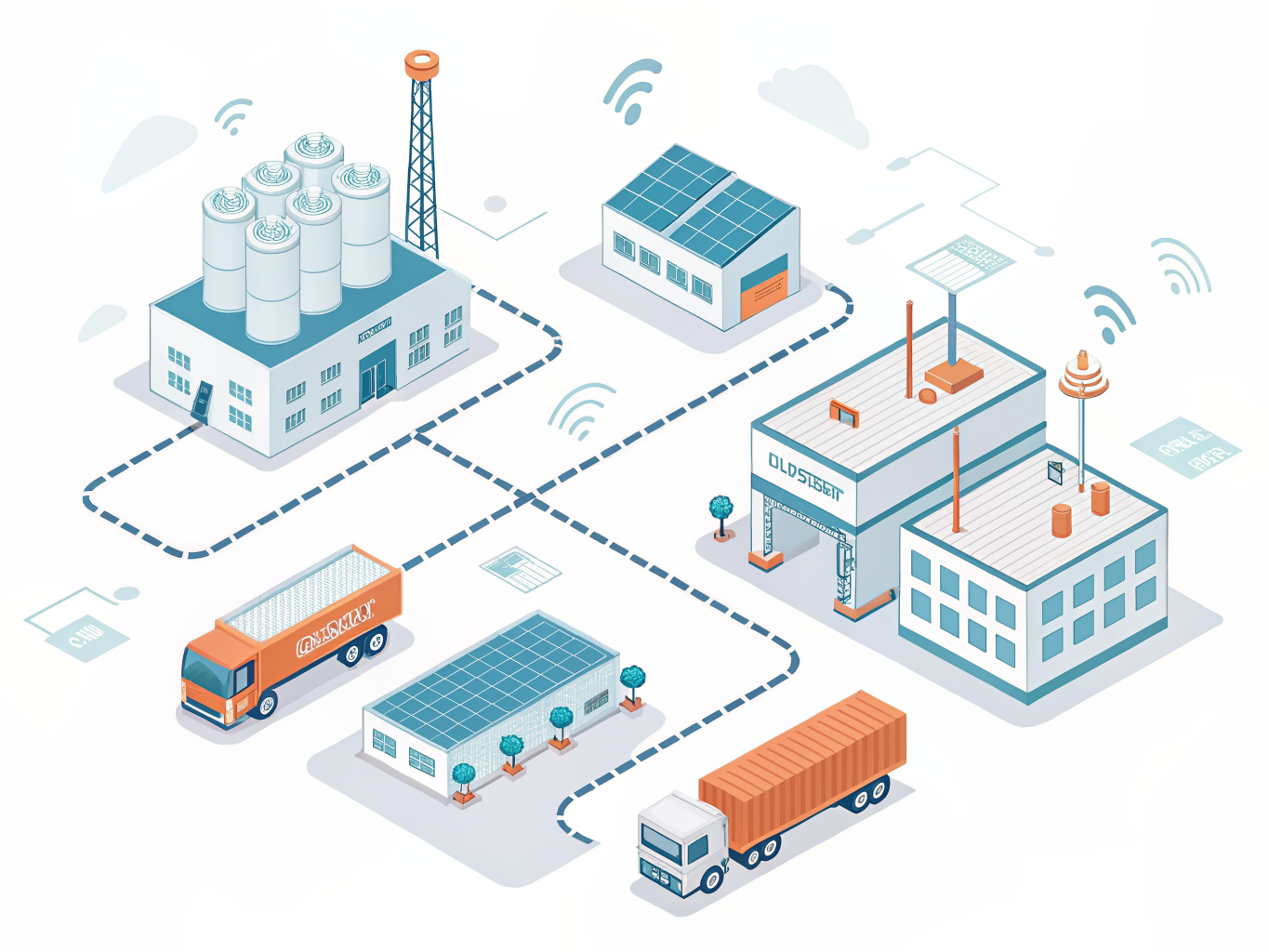
The Five Types of Supply Chain Analytics
Supply chain analytics operates across a spectrum, each type answering progressively more sophisticated questions about your operations.
Descriptive analytics forms your foundation. It answers the most basic question: what happened? Descriptive analytics uses data to describe trends and relationships, such as supply chain performance or a warehouse's inventory levels. You're tracking inventory turnover rates, monitoring shipping times, and measuring warehouse utilization. A manufacturer might discover that Q3 consistently shows 15% higher order volumes, revealing seasonal patterns that demand attention.
Diagnostic analytics takes the next step: why did it happen? You're investigating root causes. When that Q3 spike occurs, diagnostic analysis reveals whether it's driven by customer demand, competitor actions, or industry trends. This type transforms raw observations into actionable insights about performance drivers.
Predictive analytics shifts perspective entirely: what will happen? Machine learning models forecast future demand, identify supply disruptions before they occur, and anticipate equipment failures. A logistics company might predict that specific routes will face delays 72 hours in advance, allowing proactive rerouting rather than reactive scrambling.
Prescriptive analytics goes further: what should we do? Prescriptive analytics uses advanced machine learning to analyze data and recommend the optimal course of action or strategy moving forward. These systems don't just predict problems; they recommend solutions. Faced with multiple supplier options, inventory levels, and delivery constraints, prescriptive models suggest the precise actions that minimize cost while maximizing resilience.
Cognitive analytics represents the frontier: how do we solve truly complex problems? Advanced AI systems learn continuously, handling ambiguous scenarios that traditional analytics struggles with. They integrate unstructured data like supplier communications and market news alongside structured metrics.
Most organizations begin with descriptive analytics and progressively mature toward prescriptive capabilities. The journey isn't about adopting all five simultaneously; it's about building analytical sophistication as your data infrastructure strengthens.
Real-Time Visibility and End-to-End Integration
The foundation of modern supply chain excellence rests on a single, powerful capability: seeing everything at once. Most organizations operate with fragmented data scattered across procurement systems, warehouse management platforms, transportation networks, and customer touchpoints. This fragmentation creates blind spots that cost time, money, and competitive position.
Unified data models solve this problem by weaving together near-real-time feeds from Internet of Things devices, sensors, and cloud platforms into one coherent view. Rather than toggling between disconnected dashboards, your team accesses a single source of truth that spans from supplier factories to customer doorsteps. A unified data model integrating disparate sources delivers a dynamic, end-to-end picture of the supply chain.
The technical infrastructure enabling this integration has matured dramatically. Cloud platforms provide the scalability to ingest massive data volumes, while IoT sensors track shipments, inventory levels, and equipment conditions in real time. Advanced analytics engines correlate signals across these disparate sources, automatically surfacing patterns and anomalies that would take humans weeks to identify manually.
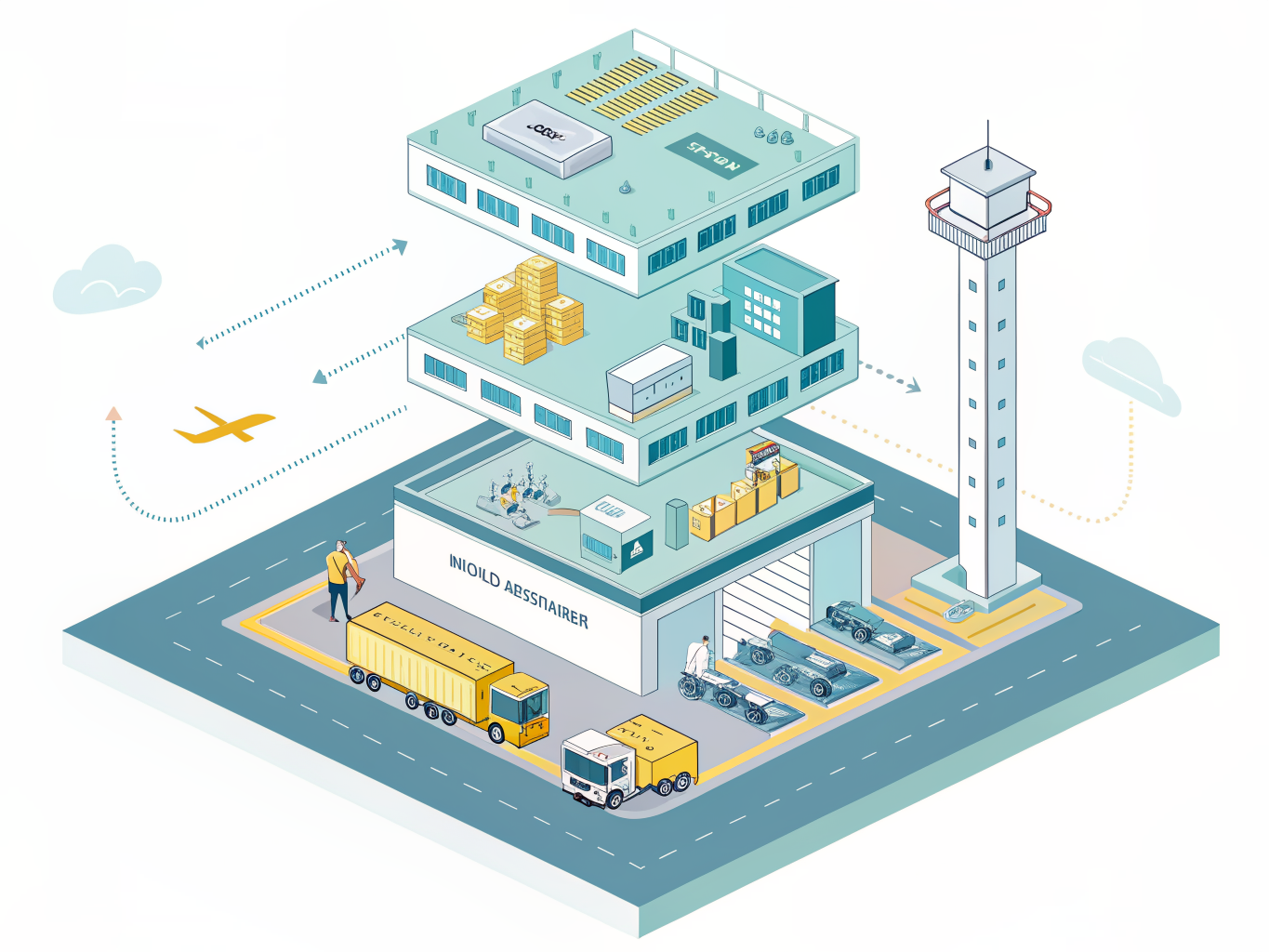
The competitive advantage is immediate and tangible. When disruptions occur, organizations with end-to-end visibility respond in hours rather than days. You identify bottlenecks before they cascade, adjust routes before delays happen, and balance supply and demand with precision. This isn't about collecting more data; it's about transforming fragmented information into strategic intelligence that drives faster, smarter decisions.
Key Benefits of Supply Chain Data Analytics
The business case for supply chain data analytics is compelling and measurable. Organizations implementing these systems consistently report substantial financial and operational gains that directly impact their bottom line.
Cost Reduction at Scale
Data-driven optimization cuts expenses across multiple fronts. By analyzing routes, schedules, and processes, companies minimize transportation costs, reduce excess inventory, and negotiate better procurement terms. These aren't theoretical savings; they're tangible reductions in your cost of goods sold that flow directly to profitability.
Demand Forecasting That Actually Works
Predictive analytics eliminates guesswork from inventory planning. Rather than stocking based on assumptions, you're responding to data patterns. This means fewer stockouts that frustrate customers, less capital tied up in dead inventory, and better cash flow. The result: improved margins without sacrificing service levels.
Risk Becomes Visible
Supply disruptions cost money and damage reputation. Analytics platforms identify vulnerabilities before they become crises, from single-source supplier dependencies to geopolitical risks affecting logistics corridors. Proactive mitigation beats reactive firefighting every time.
Customer Satisfaction Through Reliability
Better forecasting and optimized operations translate to faster, more reliable deliveries. On-time performance improves, order accuracy increases, and customer lifetime value rises. This competitive edge matters in markets where customer expectations keep climbing.
Real-World Adoption
The market validates this value. 77 percent of logistics partners invest in predictive analytics specifically to boost profitability, signaling confidence in measurable returns. Organizations using data analysis for route optimization and resource allocation consistently outpace competitors in both cost and efficiency metrics.
The question isn't whether supply chain analytics delivers value. It's whether you can afford not to implement it.
Predictive Analytics: The Game-Changer for Supply Chain Resilience
Predictive analytics transforms supply chain management from constant firefighting into strategic foresight. While most companies still react to problems as they emerge, leaders are using historical data and machine learning to anticipate disruptions before they cascade through operations.
The practical applications are immediate and measurable. Demand forecasting powered by predictive models lets you right-size inventory, eliminating the costly oscillation between stockouts and overstock situations. Production planning becomes precise rather than guesswork. Route optimization algorithms analyze traffic patterns, weather forecasts, and geopolitical risks to identify the fastest, most cost-effective paths before delays materialize.
Early disruption detection represents perhaps the highest-value capability. Real-time data can flag weather-related delays at key ports and enable rerouting before bottlenecks form, turning potential crises into manageable adjustments. Supplier risk models surface vulnerability signals months ahead, giving you time to diversify sourcing or negotiate contingencies.
The competitive pressure is real. Companies implementing predictive capabilities are operating with dramatically lower safety stock, faster inventory turns, and fewer emergency expediting costs. They're making decisions based on probability rather than hope. The shift from reactive to proactive management isn't optional anymore; it's the difference between industry leaders and those perpetually managing yesterday's problems.
Implementation Challenges and Best Practices
Most organizations encounter predictable obstacles when rolling out supply chain analytics. Data quality issues top the list; legacy systems rarely talk to each other, and information scattered across departments creates blind spots before any insights can emerge. Integration complexity is real, not theoretical.
Then there's the human factor. Employees accustomed to intuition-based decisions often resist analytics-driven approaches. This isn't stubbornness; it's uncertainty about changing workflows and job security. Without deliberate change management, even solid technology implementations stall.
Skills gaps compound these challenges. You need a dedicated team with specific roles and responsibilities including data scientists, analysts, domain experts, and project managers with skills in data analysis, statistical modeling, programming, and domain knowledge. Finding talent with both technical expertise and supply chain fluency remains difficult.
Here's what actually works: Start with clear, measurable goals tied to business outcomes, not analytics for its own sake. Launch pilot projects in specific areas; quick wins build momentum and organizational buy-in faster than enterprise-wide rollouts.
Establish data governance early. Standardize definitions, formats, and quality thresholds across departments. This foundation prevents the "garbage in, garbage out" problem that derails many initiatives.
Build executive sponsorship. Analytics requires sustained investment and patience before ROI appears; leadership commitment keeps budgets intact during the learning phase.
When selecting tools, evaluate factors such as ease of use, scalability, integration capabilities, and cost-effectiveness rather than chasing the shiniest option. Your platform should fit your team's capabilities, not stretch them beyond reason.
Finally, foster a data-driven culture intentionally. Share findings openly, celebrate decisions informed by data, and normalize asking "what does the data say?" as a standard question.
FAQ: Common Questions About Supply Chain Data Analytics
How long until we see ROI? Most teams see results in 6 to 12 months, but this depends on your starting point, data quality, and commitment. Companies with clear KPIs and executive backing move faster. Quick wins like demand forecast improvements often surface within months, while structural changes take longer.
Predictive vs. prescriptive analytics: what's the difference? Predictive analytics tells you what will happen. Prescriptive analytics tells you what to do about it. Predictive identifies a supplier delay three weeks out; prescriptive recommends rerouting inventory or adjusting production schedules automatically. Both matter, but prescriptive delivers competitive advantage.
Do we need to replace everything? No. Modern platforms integrate with legacy systems through APIs and middleware. You keep your ERP, WMS, and TMS while layering analytics on top. Predictive analytics consolidates data across plants, suppliers, logistics, and customers into a unified model, creating visibility without rip-and-replace disruption.
What skills do we actually need? You need data engineers, analysts, and domain experts who understand your supply chain. Not everyone requires advanced data science degrees. Strong SQL, visualization tools, and business acumen matter more than PhD credentials. Consider hiring or training incrementally.
How do we keep data clean? Governance starts before analytics. Define data ownership, establish validation rules, and audit regularly. Garbage in means garbage out. Invest upfront in data quality or accept poor decisions downstream.
Where do we start? Pick one high-impact problem: demand forecasting, supplier risk, or inventory optimization. Solve it well, measure results, then expand. Small wins build internal support and funding for broader initiatives.
Key Takeaways: Transform Your Supply Chain with Data Analytics
Supply chain analytics has moved from "nice to have" to essential infrastructure. Organizations without real-time visibility into their operations are already falling behind competitors who do.
Here's what you need to act on now:
Start with unified data. Fragmented systems create blind spots. Consolidating data from suppliers, logistics partners, and internal operations into a single source of truth is your foundation for everything else.
Shift from reactive to predictive. Stop fighting fires after they start. Predictive analytics lets you anticipate disruptions, optimize inventory levels, and make decisions before problems cascade through your network.
Build the right foundation. Clear goals, strong data governance, and a team that understands both analytics and supply chain operations aren't optional. They're what separates successful implementations from expensive failures.
Move fast. The supply chain analytics market is growing rapidly. Early adopters aren't just gaining marginal improvements; they're securing meaningful competitive advantages in cost, speed, and resilience.
The organizations winning in 2026 won't be those with the most data. They'll be the ones who've transformed fragmented information into unified intelligence and turned that intelligence into action. That transformation starts now.
Ready to Transform Your Supply Chain? Get Started Today
The path from fragmented data to unified intelligence isn't optional anymore; it's the baseline for staying competitive. Supply chain analytics transforms how you see disruptions, optimize costs, and respond to market shifts in real time.
But implementation at enterprise scale requires more than tools. You need partners who understand both your operational complexity and the technical architecture required to make analytics actually work. The organizations winning today have moved beyond dashboards and spreadsheets into predictive systems that guide decision-making before problems emerge.
The question isn't whether to invest in supply chain analytics. It's how quickly you can build the infrastructure that delivers visibility and resilience your business demands. If you're ready to move from insight to action, explore how modern analytics platforms can accelerate your transformation.
Keep reading

Critical Third Parties: UK Cloud Rule Explained
A Critical Third Party is a provider whose service failure could threaten UK financial stability. The first UK designations are four cloud providers.

Netflix Earnings Put Always-On TV in Focus
Netflix reports Q2 results July 16 after reports it is weighing always-on channels. Arkolith maps NFLX to $284.0B in tracked 13F value.

UK Cloud Watchlist Maps to $4.45T in 13F Value
The UK's first cloud oversight list maps to Microsoft, Alphabet, Amazon and Oracle, which Arkolith tracks across $4.45T of Q1 2026 13F value.