Supply Chain Risk Management Analytics: Complete Guide 2026
Last Updated: February 21, 2026
Key Takeaways
- Supply chain risk management shifted from reactive to proactive analytics-driven approach using AI and machine learning
- 85% of supply chains experienced disruptions; companies managing risk proactively spend 50% less on management costs
- Real-time monitoring platforms with geopolitical intelligence deliver early-warning systems across supplier networks
- Machine learning models reduce fraud detection false positives by 18% and improve prediction accuracy significantly
- Technology increases supplier risk evaluation effectiveness by 2x; only 19% of companies deploying AI at scale currently
What is Supply Chain Risk Management Analytics?
Supply chain risk management analytics is the practice of using data science, artificial intelligence, and domain expertise to identify, assess, and mitigate risks before they disrupt operations. It's the difference between waiting for a crisis to hit and seeing it coming weeks or months in advance.
For decades, supply chain risk management relied on spreadsheets, manual audits, and institutional knowledge. Teams tracked supplier performance in static reports and reacted when problems surfaced. It was slow, incomplete, and expensive.
Today's environment demands something different. According to Deloitte research, 85% of global supply chains experienced at least one disruption in the past 12 months, whether from geopolitical events, natural disasters, cyberattacks, or supplier failures. A single disruption can cost a manufacturing company millions in lost revenue and damaged customer relationships.
This is where analytics changes the equation. Modern systems ingest real-time data from suppliers, logistics networks, financial markets, and external intelligence sources. Predictive models identify emerging risks across your entire ecosystem, not just obvious weak points. You spot a supplier's financial deterioration before they default. You anticipate port congestion before shipments arrive. You understand cascading failure risks across your network.
The business case is compelling: companies that proactively manage supply chain risk spend 50% less managing supplier disruptions compared to those operating reactively.

In 2026, analytics isn't optional infrastructure for complex supply networks. It's essential.
Core Technologies Powering Modern Supply Chain Analytics
The technologies enabling modern supply chain risk management have fundamentally shifted how organizations detect and respond to disruptions. Rather than waiting for problems to surface, companies now leverage tools that see around corners.
Machine learning algorithms form the backbone of this transformation. They process vast amounts of complex, multi-dimensional data to identify patterns humans would never spot. Research shows machine learning decreases human labor needs while increasing response speed, allowing your team to focus on strategy instead of data wrangling.
Predictive analytics takes this further by forecasting disruptions before they materialize. Instead of reacting to a supplier failure, you're notified weeks in advance that geopolitical tensions could affect a key vendor or that weather patterns threaten logistics routes. This shift from reactive to proactive fundamentally changes your risk posture.
Real-time monitoring platforms integrate signals from sources you'd never manually track. Agentic AI platforms monitor over 100 million data sources, ranging from news feeds and geopolitical events to supplier performance data and IoT sensor readings. The critical difference: these systems deliver only actionable insights, not information overload.
Technology increases the effectiveness of supplier risk evaluation by nearly 2x, according to industry research. This isn't theoretical improvement; it translates directly to faster decision-making and measurable cost reduction.
The integration of IoT sensors, blockchain transparency, and advanced analytics creates end-to-end visibility across your entire supply network, including lower tiers you've never had clear sight into. Each technology layer reinforces the others, creating a system smarter than any single component.
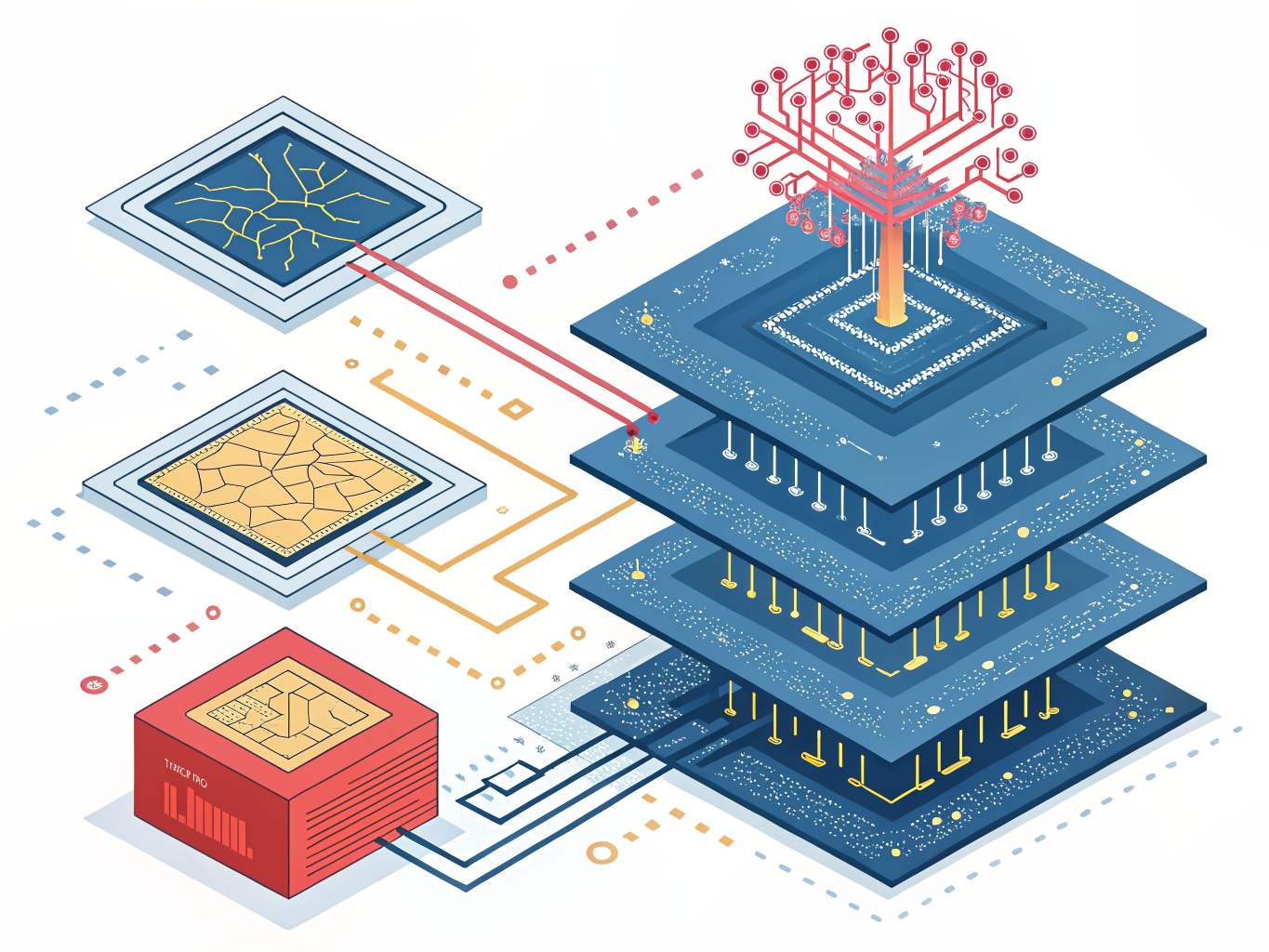
Critical Supply Chain Risks Analytics Must Address
Supply chain disruptions aren't theoretical anymore. They're happening right now, and the risks are more interconnected than ever.
Start with geopolitical volatility. McKinsey's 2025 supply chain risk survey found that 82% of supply chains are affected by new tariffs, with 20-40% of their supply chain activity impacted. Tariffs, sanctions, and trade tensions create unpredictable cost spikes and sourcing constraints that spreadsheets simply can't track fast enough. Analytics identifies which suppliers operate in high-risk regions and flags exposure before tariffs hit.
Supplier financial instability is another silent killer. A vendor collapse looks sudden until you examine the data. Predictive financial analytics catches warning signs months in advance by monitoring payment patterns, credit scores, financial filings, and transaction behavior. Early detection means time to find alternatives.
Cyber threats targeting your suppliers are actually threats to you. A breach at a critical supplier exposes your operations and customer data. Analytics maps your supplier ecosystem and identifies which vendors handle sensitive information, then monitors them for security incidents and vulnerabilities.
Natural disasters and severe weather events require location intelligence. Analytics combines geographic data with climate forecasts to identify exposure before storms hit. This enables scenario planning and inventory repositioning.
Finally, fraud and compliance violations drain margins silently. Deloitte's survey of corporate professionals revealed that 29% reported their company had experienced supply chain waste, fraud, or abuse in the past 12 months. Data analytics detects billing anomalies, duplicate invoices, and policy violations that manual reviews miss, recovering millions in hidden losses.
These aren't separate problems. They're interconnected risks requiring integrated visibility. That's where analytics transforms your supply chain from reactive crisis management into proactive intelligence.
How Machine Learning Transforms Risk Prediction
Traditional rule-based systems rely on static thresholds: if a shipment is 48 hours late, flag it. If a supplier's defect rate exceeds 5%, alert procurement. These systems work until they don't. They miss the nuanced patterns that precede actual failures.
Machine learning changes this fundamentally. Instead of you programming rules, algorithms learn directly from your historical data. They discover which combinations of factors actually predict problems. A delivery might be 24 hours late but still arrive on time due to local traffic patterns. A supplier might spike to 6% defects but remain reliable because the issue was isolated to one production batch. ML models capture these contextual details.
The practical payoff is significant. Machine learning models reduce fraud detection false positives by up to 18% compared to rule-based systems, meaning your team spends less time chasing phantom threats and more time addressing real risks.
Beyond structured data, deep learning opens new possibilities. These algorithms automatically extract signals from unstructured sources: news articles about your suppliers, social media sentiment, geopolitical events, weather forecasts. Your team doesn't manually code which news matters. The model learns.
Real-time anomaly detection catches emerging problems early. Time-series analysis identifies when supplier quality drifts or when transportation routes become unreliable, triggering intervention before cascading failures occur.
Here's the critical piece many organizations overlook: interpretability. Your supply chain team needs to understand why a model flagged a specific risk. "The algorithm says there's a problem" doesn't drive action. But "this supplier's payment delays plus their recent equipment downtime mirrors patterns from three failed partnerships" compels decision-making.
Continuous learning ensures models evolve alongside your supply chain. As conditions change, as new suppliers enter your network, as markets shift, the model adapts automatically. You move from reactive crisis management to predictive intelligence, turning data into decisions before disruptions occur.
Building Your Supply Chain Risk Analytics Program
Building a functional supply chain risk analytics program requires a structured approach, but the good news is you don't need to boil the ocean. Start where it matters: consolidating data from your suppliers, logistics partners, market reports, and geopolitical feeds into a single accessible source. Most organizations are sitting on fragmented information scattered across spreadsheets, vendor portals, and email chains. Bringing this together is your foundation.
Next, define what actually matters to your business. Work with finance, operations, and procurement to establish clear risk metrics and KPIs aligned with your specific risk tolerance and strategic objectives. Are you most concerned about supplier concentration risk? Transportation disruptions? Regulatory compliance? Your metrics should reflect these priorities, not generic benchmarks.
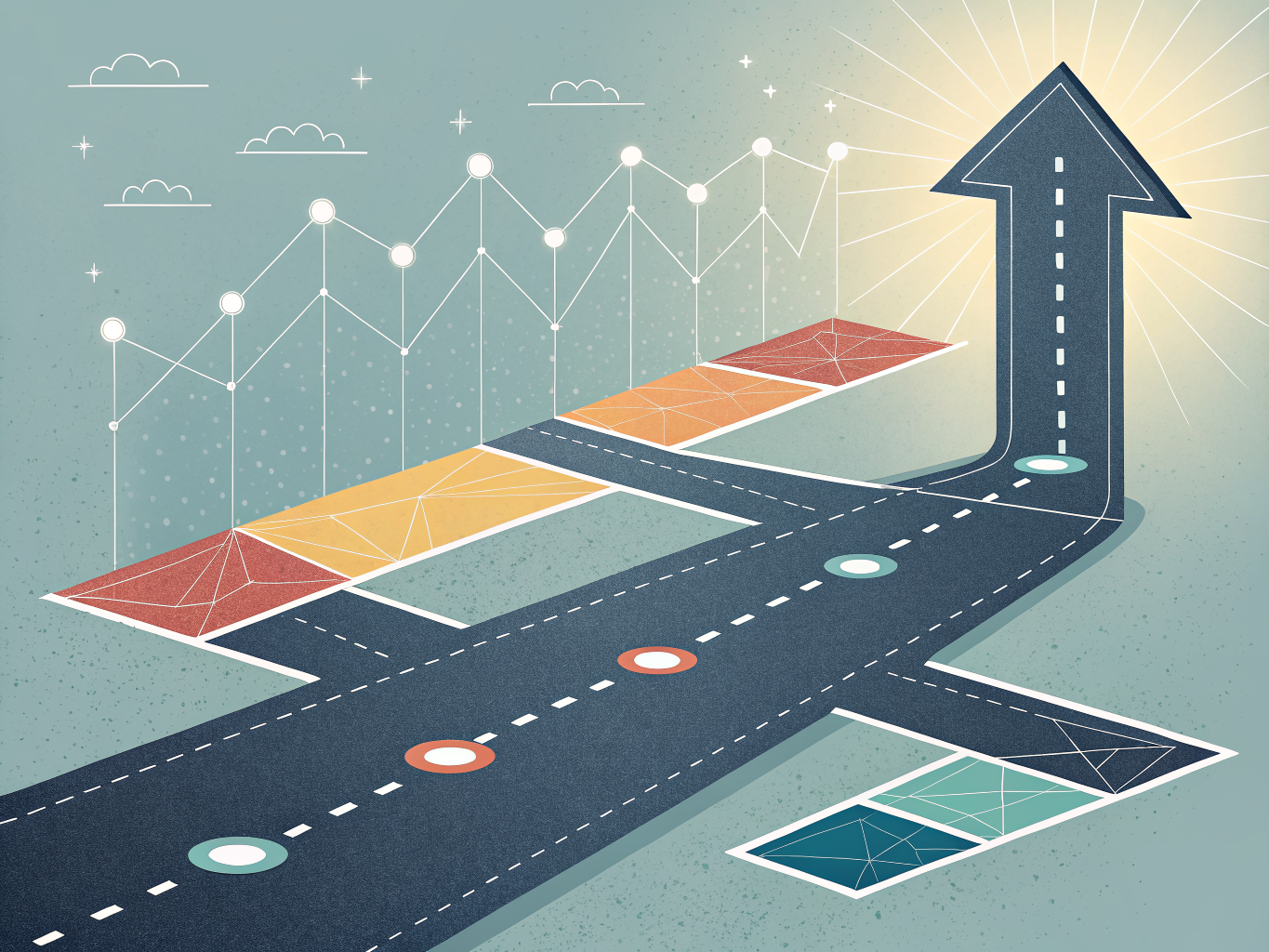
When selecting platforms, prioritize real-time monitoring, predictive analytics, and scenario modeling capabilities. Your team needs to see emerging risks as they develop, not in hindsight reports.
Here's where most implementations stumble: people. Your supply chain professionals need training to understand and trust AI-driven insights. Skepticism is healthy; address it through transparency about how models work and regular validation against real-world outcomes.
Finally, treat this as continuous work. Gartner analysts recommend automating risk assessment and monitoring as risks evolve with increased complexity and velocity. Schedule quarterly model retraining and metric reviews. Your program should adapt as your business changes.
Real-Time Monitoring and Early Warning Systems
Real-time monitoring transforms supply chain risk from a guessing game into actionable intelligence. Rather than discovering problems after they've cascaded through your network, continuous monitoring provides an early-warning system across your supplier base, delivering real-time alerts on emerging threats affecting key locations. This means you're tracking geopolitical events, port congestion, civil unrest, and sanctions as they develop, not weeks later when damage is already done.
The competitive advantage is straightforward: speed. When a port strike looms in Southeast Asia or new export restrictions hit a critical supplier region, your team adjusts strategy in hours, not days. You reroute shipments, activate backup suppliers, or adjust inventory levels before disruptions materialize into revenue loss.
Integrated intelligence platforms do the heavy lifting by filtering noise and surfacing only what matters to your operation. You're not drowning in data; you're receiving targeted alerts tied to your specific supply chain topology and business priorities. This precision matters because decision-makers can act decisively rather than getting lost in irrelevant information.
Scenario modeling adds another layer. Advanced platforms use AI-generated what-if simulations to model potential impacts before they occur, letting you stress-test mitigation strategies and identify vulnerabilities proactively. You're essentially running dress rehearsals for crises that might never happen, but if they do, you're prepared.
The numbers validate this approach. Organizations leveraging integrated intelligence systems achieve faster operational decision-making and significantly reduce disruption-related costs. Early detection prevents the expensive scramble of crisis management. You move from reactive firefighting to predictive positioning, protecting margins and customer commitments simultaneously.
FAQ: Supply Chain Risk Management Analytics
How long does implementation take?
Most organizations see meaningful results within 3 to 6 months. Quick wins like supplier risk scoring appear in weeks, but full visibility across multi-tier networks takes longer. The timeline depends on your data maturity and existing system integrations, not the platform itself.
What ROI should we expect?
Companies typically see 15-25% cost avoidance within the first year through early disruption detection and better supplier decisions. Beyond that, the real value emerges: reduced emergency sourcing premiums, fewer production halts, and faster recovery when issues do occur. These aren't flashy numbers, but they compound.
How do we choose the right platform?
Start with your specific pain points. Are you drowning in supplier data? Do you need real-time alerts? Can you handle cloud-based solutions? The best platform matches your team's technical capability and integrates cleanly with your ERP system. Avoid over-buying features you won't use.
What team do we need?
You don't need a data science department. A dedicated analyst, one business owner from procurement, and IT support for integration are your foundation. As you scale, add domain expertise in specific risk categories. Most importantly, secure executive sponsorship early.
Integration challenges?
Legacy ERP systems can be stubborn, but they're manageable. Plan for 4-8 weeks of IT coordination. Modern platforms are designed for API-first integration, so compatibility isn't the barrier it once was. The real challenge is data quality and governance, not technology.
What are the main obstacles?
Organizational resistance tops the list. Analytics success requires cross-functional buy-in and behavioral change. Second, data fragmentation across systems slows deployment. Neither is technical; both are solvable with clear communication and realistic expectations.
Key Takeaways and Next Steps
The shift from reactive crisis management to proactive intelligence isn't optional anymore. Organizations deploying advanced analytics reduce disruption management costs by 50% while improving risk evaluation effectiveness by 2x, according to Deloitte research and Gartner analysis. Your competitors are already moving.
Here's what to do next:
Supply Chain Managers: Audit your current data sources today. Identify gaps between your supplier information and what real-time monitoring could reveal. Pilot geopolitical intelligence integration with your top 50 suppliers within 90 days.
CIOs and Technology Leaders: Evaluate machine learning platforms that can handle continuous model retraining. Legacy rule-based systems won't catch emerging fraud patterns or delivery anomalies. Prioritize tools offering API integration with your existing ERP and procurement systems.
Compliance Officers: Map your current risk metrics against regulatory requirements. Build dashboards that automatically flag exceptions, reducing manual review time and audit risk simultaneously.
Enterprise Leaders: Allocate budget for integrated analytics infrastructure. The competitive advantage belongs to organizations that see disruptions coming, not those managing them after impact.
The infrastructure exists. The data exists. What's missing is execution. Start this quarter.
Conclusion: Transform Risk Into Resilience
Supply chain disruptions are no longer a question of if, but when. Yet here's what separates thriving organizations from those caught off-guard: the ability to see risks coming before they materialize.

The shift from periodic risk assessments to continuous, intelligence-driven monitoring isn't optional anymore. Industry experts emphasize that organizations must evolve their approach to ensure genuine resilience. As Crisis24 notes, resilience is no longer a defensive capability; it's a strategic differentiator.
The competitive advantage belongs to companies that detect emerging threats and respond while competitors are still assessing damage. Analytics transforms your supply chain from reactive firefighting into proactive intelligence.
Building this capability requires commitment: the right technology, skilled talent, and a cultural shift toward data-driven decision-making. But the payoff is substantial: reduced disruption costs, faster response times, and operational confidence that translates directly to the bottom line.
Your supply chain's resilience isn't built in crisis. It's built now, through the intelligent systems and insights you implement today. The question isn't whether you can afford to invest in supply chain risk analytics. It's whether you can afford not to.
Keep reading

Critical Third Parties: UK Cloud Rule Explained
A Critical Third Party is a provider whose service failure could threaten UK financial stability. The first UK designations are four cloud providers.

Netflix Earnings Put Always-On TV in Focus
Netflix reports Q2 results July 16 after reports it is weighing always-on channels. Arkolith maps NFLX to $284.0B in tracked 13F value.

UK Cloud Watchlist Maps to $4.45T in 13F Value
The UK's first cloud oversight list maps to Microsoft, Alphabet, Amazon and Oracle, which Arkolith tracks across $4.45T of Q1 2026 13F value.