Top Real-Time Data Analytics Tools 2026 Guide
Last Updated: March 4, 2026
Key Takeaways
- Real-time analytics is now baseline expectation, not luxury, across enterprise operations and supply chains
- Choose integrated platforms over raw databases; focus on delivery, not infrastructure operations complexity
- AI and automation are must-haves in 2026; platforms automating insight generation outpace manual approaches
- Supply chain, energy, and financial sectors gain competitive advantage through real-time visibility and predictive analytics
- Total cost of ownership matters more than subscription cost; factor in operational overhead and engineering resources
What Is Real-Time Data Analytics and Why It Matters in 2026
Real-time data analytics processes data as it arrives, delivering instant insights instead of the daily or weekly reports that defined business intelligence for decades. According to Helical Insight, this fundamental shift separates reactive decision-making from proactive command and control.
The stakes have never been higher. Global data creation is expected to reach 180 zettabytes by 2025, making real-time processing not a luxury but a survival requirement. Supply chain managers can't afford to wait 48 hours to detect bottlenecks. Financial compliance officers need to flag suspicious transactions in milliseconds. Infrastructure operators managing critical systems require instantaneous visibility into anomalies that could cascade into costly failures.
Companies that harness data effectively in real-time, at scale, and with proper governance are outpacing those that don't. The competitive gap isn't narrow anymore; it's widening rapidly. Organizations investing in real-time analytics infrastructure are making faster pivots, catching market shifts before competitors notice them, and protecting themselves from operational disasters.
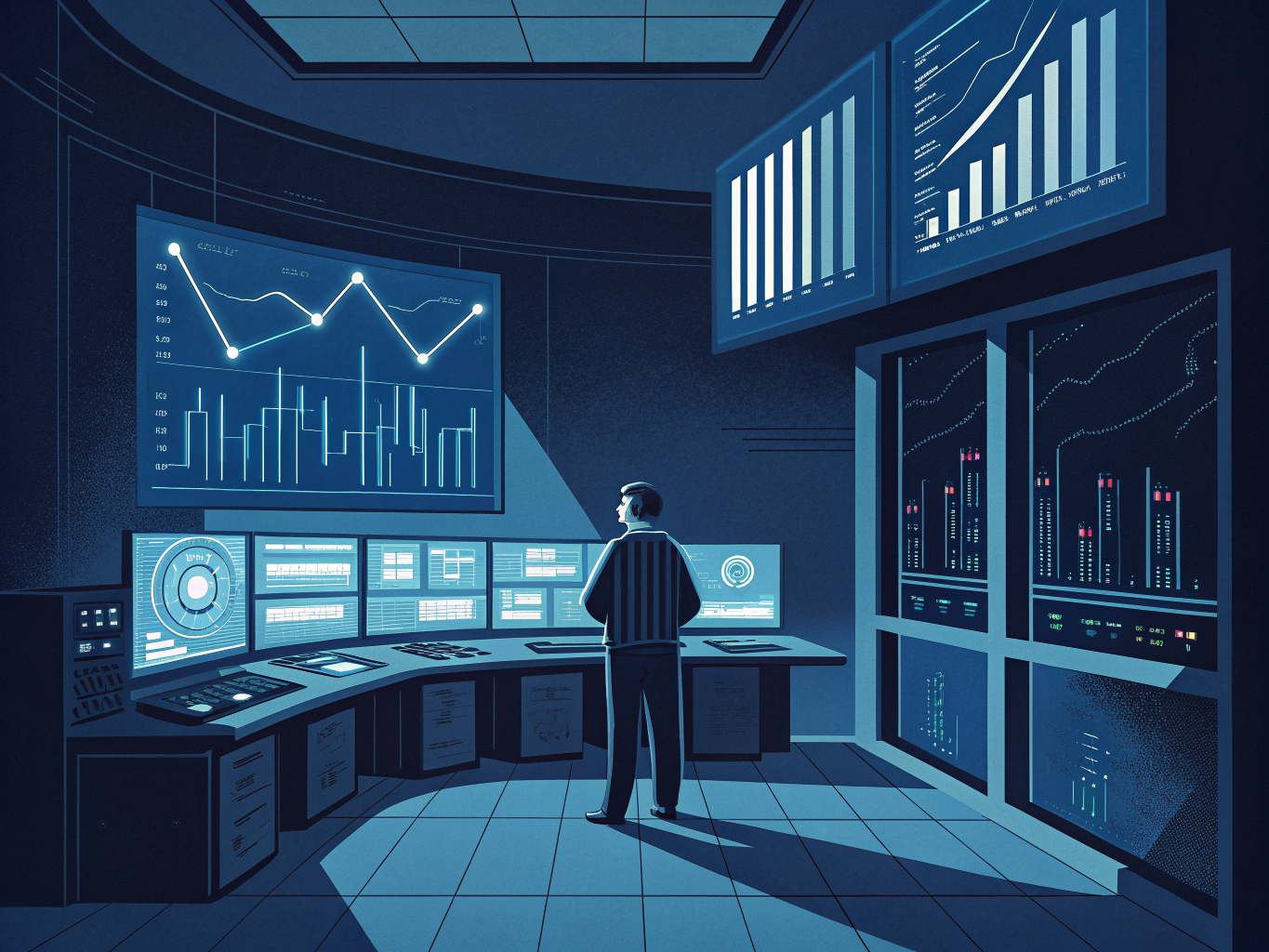
Real-time dashboards have transformed business intelligence from static reports into operational command centers. Your team stops waiting for insights and starts acting on them.
The Database vs. Platform Dilemma: What Enterprise Teams Actually Need
Here's the critical mistake most enterprise teams make: they treat database selection as equivalent to choosing an analytics platform. It's not the same thing, and conflating the two costs you months of wasted engineering time and millions in hidden expenses.
A raw OLAP database gives you storage and query capability. That's it. You still need separate ingestion pipelines to move data in, transformation jobs to prepare it, API layers to expose results, and monitoring infrastructure to keep everything running. Teams spent 9 months building exactly this stack when they needed a platform, not a database. Source
The "free" open-source route sounds appealing until you calculate total cost of ownership. These tools appear free but cost 3x more due to DevOps overhead, infrastructure management, and the specialized talent required to maintain them. Source Your engineering salaries dwarf any subscription fees you'd pay a managed platform.
Managed analytics platforms handle the entire workflow: ingestion, transformation, storage, APIs, and monitoring. You go from raw data to published analytics in days instead of quarters. Yes, they charge consumption or capacity-based fees, but this often delivers lower total cost of ownership despite higher subscription costs. Source
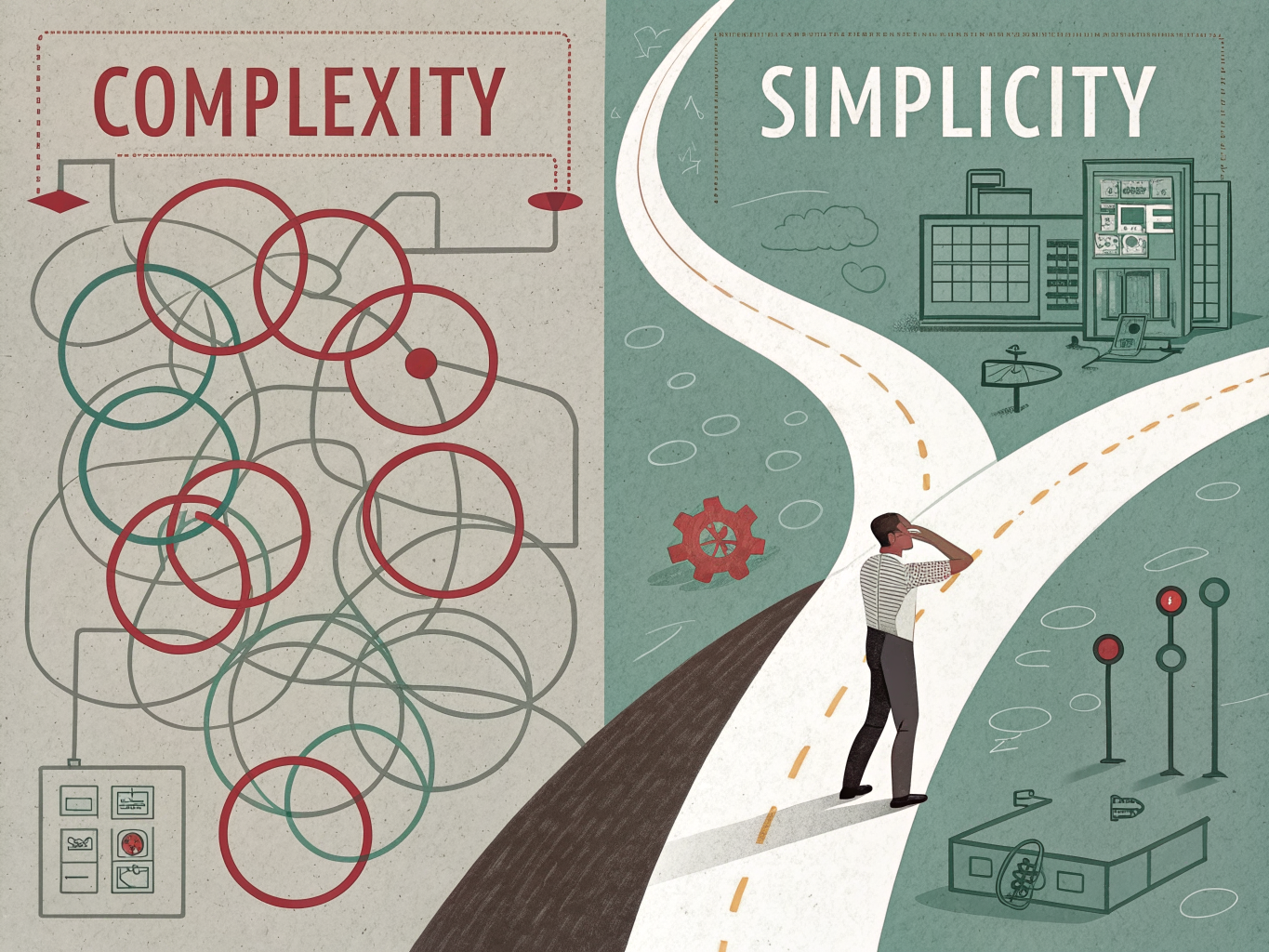
The real question isn't "which database" but "what gets us delivering insights fastest with the team we have right now?" Choose accordingly.
Top Real-Time Data Analytics Tools for Enterprise Deployment in 2026
The real-time analytics market has fractured into specialized categories, each solving different enterprise problems. Your choice depends on what you're actually trying to accomplish.
Unified Platforms
Microsoft Fabric Real-Time Intelligence handles the entire workflow: ingestion, transformation, storage, modeling, and visualization in one interface. This matters if your team is already in the Microsoft ecosystem and you want to eliminate tool sprawl. The trade-off is less flexibility than point solutions.
Streaming Infrastructure
Apache Kafka remains the backbone for enterprises processing massive data volumes. LinkedIn runs 7 trillion messages daily across this platform, making it the proven choice for organizations that need bulletproof reliability at scale. But Kafka requires dedicated ops expertise and infrastructure investment.
Managed Platforms
Tinybird automates the infrastructure headache. Built on ClickHouse, it handles streaming ingestion through instant API publication without requiring database operations expertise. This appeals to teams prioritizing speed-to-insight over maximum customization.
Visualization and BI Tools
Tableau and Power BI now offer genuine real-time dashboards with AI-powered anomaly detection. These work best when business users need self-service access to live data without touching infrastructure.
Supply Chain Specific Solutions
Qlik's operations solutions integrate ERP, SCM, forecasting, and external data sources for near real-time visibility. GoodData follows a similar approach, targeting demand forecasting and inventory optimization. Choose these if supply chain accuracy directly impacts your revenue.

The pattern is clear: unified platforms win on simplicity, specialized tools win on depth. Evaluate based on your team's technical capacity and whether you need broad analytics or focused domain expertise.
AI-Powered Real-Time Analytics: The Game-Changer for Enterprise Decisions
Here's what's changed: AI isn't just analyzing your data anymore. It's working for you, surfacing insights you'd never find manually and catching problems before they become crises.
In 2026, AI-powered recommendations are moving from nice-to-have to competitive necessity. The organizations pulling ahead aren't the ones with the biggest data teams. They're the ones letting AI handle the grunt work.
Consider what's actually happening now. Automated insight generation eliminates hours spent building dashboards and hunting for trends. Your team stops asking "what happened?" and starts asking "what should we do?" Natural language interfaces mean your finance director can query live data without learning SQL. Your operations manager spots anomalies in real time that competitors won't notice for weeks. AI is revolutionizing data analytics by automating and streamlining analytical processes, enabling businesses to analyze vast amounts of data in real time.
The real competitive edge comes from predictive capabilities running on live data. You're not reacting to yesterday's problems; you're preventing tomorrow's. Features like Tableau GPT and Pulse suggest visuals and flag unusual changes, reducing manual setup, letting your team focus on strategy instead of setup.
This matters because non-technical users will generate complex insights through conversational interfaces, reducing dependency on data specialists. You're democratizing analytics across your organization. Your bottleneck shifts from "we don't have data scientists" to "how fast can we act on insights?"
The question isn't whether your competitors are adopting AI-powered real-time analytics. They are. The question is whether you'll move fast enough to stay ahead.

Real-Time Analytics for Supply Chain, Energy, and Infrastructure Optimization
Real-time data analytics transforms how enterprises manage their most complex operations. For supply chain managers, the difference between forecasting accuracy and stockouts often comes down to data velocity. Supply chain analytics allows enterprises to optimize key processes, predict demand, and make better decisions, enabling companies to balance inventory costs against service levels in ways that static reporting simply cannot match.
Consider PepsiCo's approach: the company combines retailer point-of-sale data with its own supply chain information to predict when items will go out of stock, triggering automatic replenishment before demand spikes create shortages. This isn't theoretical optimization; it's measurable revenue protection. By identifying bottlenecks in real time, supply chain teams prevent costly delays and reduce carrying costs that accumulate across thousands of SKUs.
The business case extends beyond logistics. Energy companies rely on real-time monitoring to optimize asset performance and detect equipment failures before they cascade into outages. Infrastructure operators use continuous analytics to balance load distribution, predict maintenance needs, and ensure safety compliance. These sectors operate under zero-tolerance margins for downtime; real-time visibility isn't a nice-to-have feature, it's operational necessity.
Real-time data analytics provides end-to-end visibility enabling proactive identification of potential disruptions, which means your team responds to risks rather than reacts to crises. Predictive models flag supply concentration risks, geopolitical disruptions, and demand anomalies hours or days before they impact operations.
Financial compliance teams benefit similarly. Real-time transaction monitoring detects fraud patterns instantly, reducing exposure windows from weeks to seconds. This matters at scale: for enterprises processing millions of transactions daily, even marginal improvements in detection speed translate to significant loss prevention.
The ROI calculation is straightforward. Reduced stockouts, optimized inventory turns, prevented outages, and faster fraud detection compound into measurable bottom-line impact. Organizations that deployed real-time analytics platforms report efficiency gains of 15-30% in their targeted operations within the first year.
The question isn't whether real-time analytics delivers value. It's whether you can afford to operate without it.
Implementation Challenges and How to Overcome Them in 2026
Real-time analytics implementations fail more often due to organizational issues than technical ones. The good news: most obstacles are predictable and avoidable.
Data quality is your foundation. Inconsistent data across sources derails projects faster than any infrastructure problem. Establish governance frameworks before deployment, not after. Define validation rules at ingestion points and audit data lineage continuously. Companies that enforce quality standards from day one spend far less time firefighting downstream.
Infrastructure complexity demands discipline. The temptation to build comprehensive stacks is real, but building complex systems when simpler ones suffice creates unnecessary maintenance overhead. Start by prioritizing specific use cases instead of trying to solve everything simultaneously. This focus prevents scope creep and lets teams master fundamentals before scaling.
Skills gaps won't resolve themselves. Your existing team likely hasn't worked with streaming pipelines or handled sub-second latency requirements. Budget for training partnerships with vendors or hire specialists early. The investment pays back quickly through faster deployment and fewer costly mistakes.
Vendor lock-in is legitimate concern. Mitigate this through multi-cloud strategies and preference for tools supporting open standards. Avoid proprietary data formats and ensure your architecture can swap components without complete redesign.
Cost management requires vigilance. Consumption-based pricing models can surprise you. Set usage thresholds and monitoring alerts before going live. Review spending monthly, not quarterly.
The pattern among successful implementations: start small, enforce governance early, invest in people, and maintain architectural flexibility. These fundamentals matter more than picking the "best" tool.
Key Takeaways and Your Next Steps
Real-time analytics has shifted from competitive advantage to operational necessity. If your enterprise isn't capturing and acting on data within seconds, you're already behind. The question isn't whether to invest, but how to invest wisely.
Start with this evaluation framework: assess platforms on delivery capability, not database performance metrics alone. Can the tool surface actionable insights in real time, or does it just store data quickly? For supply chain managers, this distinction matters enormously. Predictive analytics that identifies bottlenecks before they disrupt operations delivers measurable ROI; raw speed without intelligence doesn't.
Next, prioritize AI automation as a non-negotiable requirement. Manual analysis workflows can't keep pace with real-time data streams. Your platform must surface optimization opportunities automatically, flag anomalies instantly, and recommend actions without human intervention at every step.
For compliance officers and IT leaders, calculate total cost of ownership carefully. Subscription fees tell only part of the story. Factor in operational overhead: infrastructure maintenance, team training, integration complexity, and ongoing optimization. A cheaper platform that demands constant tuning costs more over time.
Here's your action plan: audit your current data visibility gaps. Where do operational delays create measurable cost or risk? Those are your priority areas. Then evaluate 2-3 platforms against your specific use cases, not generic feature lists. Request proof-of-concept deployments with your actual data volumes and latency requirements.
The enterprises winning in 2026 aren't those with the most sophisticated databases. They're the ones connecting every touchpoint, automating insights, and empowering teams to act on real-time intelligence. Make your move now.
FAQ: Real-Time Data Analytics Tools and Implementation
Real-time vs. batch analytics: What's the actual difference?
Real-time analytics processes data as it arrives while batch analytics analyzes data after it is stored. Real-time gives you immediate insights for decisions that can't wait, like fraud detection or supply chain disruptions. Batch is fine for historical reporting, but you'll miss time-sensitive opportunities.
How long until we're actually operational?
Implementation timelines vary significantly. Cloud-native platforms typically go live in 2 to 6 months for mid-market companies. On-premises deployments take longer, often 6 to 12 months, due to infrastructure setup and customization. The biggest variable isn't the tool itself, it's your data infrastructure readiness and team expertise.
What's a realistic budget in 2026?
Small businesses might spend a few thousand dollars to get started, while large enterprises can invest hundreds of thousands. Don't be fooled by "free" open-source tools. Open-source solutions appear free but can cost 3x more due to DevOps overhead and infrastructure management. Factor in licensing, infrastructure, integration, and ongoing support when building your budget.
Supply chain operations: Which platform wins?
Most supply chain teams benefit from platforms offering real-time IoT integration, geolocation tracking, and predictive alerts. Apache Kafka and Confluent excel here. For less technical teams, managed cloud solutions like Databricks or Snowflake offer faster deployment.
Avoiding vendor lock-in?
Choose platforms built on open standards and APIs. Containerized deployments and cloud-agnostic architectures give you flexibility. Avoid proprietary data formats and ensure your team can export data easily.
What skills matter most?
You need data engineers who understand streaming architecture, SQL-fluent analysts, and cloud infrastructure specialists. Many enterprises underestimate the DevOps component. If building in-house isn't feasible, managed platforms reduce the skills burden significantly.
Conclusion: The Real-Time Analytics Imperative for Enterprise Leaders
The competitive advantage in 2026 belongs to organizations that decide faster. Speed is the new competitive advantage in 2026; real-time data streams are now default for analytics. Real-time analytics isn't a luxury feature anymore; it's the baseline for staying relevant.
Here's what matters: you don't need a data engineering team to implement these tools. Modern platforms abstract away the infrastructure complexity. Real-time analytics eliminates delays and transforms business intelligence from static reporting into operational command centers. AI automation layers on top mean your team moves from answering yesterday's questions to predicting tomorrow's problems.
The ROI is measurable. Supply chain teams spot disruptions in minutes instead of days. Energy operators optimize grid performance in real time. Financial institutions detect fraud as transactions occur, not weeks later.
Start small. Pick a high-impact use case in your organization, run a pilot project with your chosen platform, and validate that it actually solves your problem. Then scale. This phased approach de-risks adoption and builds internal momentum.
The question isn't whether to invest in real-time analytics. It's which tools align with your specific needs and how quickly you can deploy them. Evaluate based on your data sources, team expertise, and business priorities. The organizations making this move now will set the pace for their industries.

Keep reading

Critical Third Parties: UK Cloud Rule Explained
A Critical Third Party is a provider whose service failure could threaten UK financial stability. The first UK designations are four cloud providers.

Netflix Earnings Put Always-On TV in Focus
Netflix reports Q2 results July 16 after reports it is weighing always-on channels. Arkolith maps NFLX to $284.0B in tracked 13F value.

UK Cloud Watchlist Maps to $4.45T in 13F Value
The UK's first cloud oversight list maps to Microsoft, Alphabet, Amazon and Oracle, which Arkolith tracks across $4.45T of Q1 2026 13F value.