What is Real-Time Data Analytics? A Beginner's Guide
Last Updated: March 5, 2026
Key Takeaways
- Real-time analytics analyzes data instantly as it's generated, replacing slow batch processing with immediate insights.
- Speed is the primary benefit, enabling faster decisions and competitive advantage in time-sensitive markets.
- Uses streaming platforms like Apache Kafka, IoT sensors, and machine learning for continuous data processing.
- Critical for supply chain, finance, healthcare, and retail where immediate response prevents losses and drives growth.
- Requires cloud infrastructure, data governance, and integration with existing systems for successful implementation.
What is Real-Time Data Analytics? The Definition
Real-time data analytics means analyzing data the moment it's generated, with minimal delay between collection and insight. Rather than waiting hours or days for batch reports, you're working with continuously updated data streams that flow into your systems second by second.
Think of it like GPS navigation versus a printed map. A printed map shows you where roads existed when it was printed; GPS shows you traffic conditions right now, updating your route instantly. That's the fundamental difference between traditional batch analytics and real-time analytics.
According to Gartner, real-time analytics is "the discipline that applies logic and mathematics to data to provide insights for making better decisions quickly." The critical word here is quickly. When a fraudulent transaction occurs, you need to flag it in seconds, not discover it in tomorrow's report. When your website traffic spikes unexpectedly, you need to know immediately, not next week.

For critical alerts and decisions, real-time means sub-second to few-second response times. Your systems process incoming data continuously rather than in scheduled batches, enabling you to respond to business events while they're still happening, not after they've already impacted your bottom line.
How Real-Time Data Analytics Works: The Process
Real-time data analytics operates through a continuous pipeline that transforms raw data into actionable insights within seconds, not hours or days.
The process begins with data collection from diverse sources. IoT sensors, mobile applications, transactional systems, and cloud services continuously feed information into your analytics infrastructure. Rather than waiting for batch processing windows, this data flows constantly.
Next comes ingestion through streaming platforms. Technologies like Apache Kafka and Amazon Kinesis act as the nervous system of your operation, capturing massive data volumes while maintaining low latency. These platforms decouple data sources from processing systems, allowing flexibility as your needs scale.
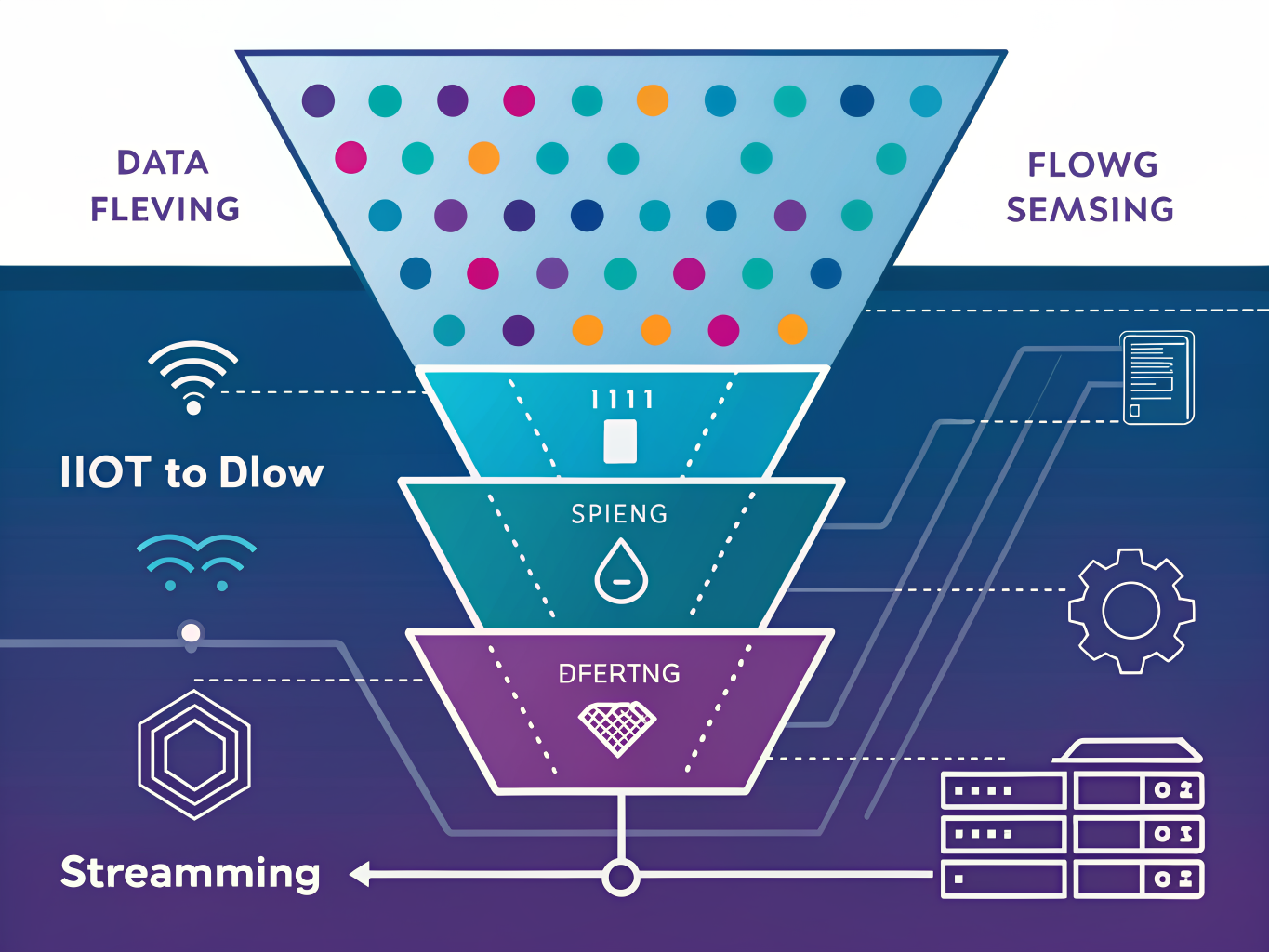
Processing happens instantly through event-driven architecture. In-memory computing engines process and transform incoming data streams, applying algorithms and machine learning models in real time. Rather than storing data first then analyzing it, computation occurs as data arrives.
Finally, insights reach your team and systems immediately. Real-time analytics combines historical context with streaming data to deliver automated metrics through dashboards or embed them directly into machine-driven processes. When thresholds are breached or patterns emerge, alerts trigger automatically, enabling your team to respond before problems compound.
This architecture eliminates the delay between data generation and decision-making. That speed difference isn't just convenient; it's competitive necessity.
Key Benefits: Why Real-Time Analytics Matters
In today's hypercompetitive marketplace, speed isn't just an advantage; it's survival. The primary benefit of real-time analytics is speed, helping you respond to market events faster than your competitors. While your competitor is still reviewing yesterday's reports, you're already acting on what's happening right now.
Consider a retail company facing sudden inventory shortages. With batch reporting, managers discover the problem hours or days later, after stock-outs damage customer satisfaction and revenue. Real-time analytics alerts them instantly, enabling immediate restocking decisions. The difference: thousands in lost sales prevented.
Fraud represents another critical area where speed saves real money. Financial institutions detect suspicious transactions in milliseconds rather than days, preventing losses before they escalate. Real-time data analytics makes you aware of time-sensitive issues like fraud and security breaches, allowing quick response to prevent issues before they grow. A single prevented fraud attempt can justify the entire analytics investment.
The cost savings accumulate across multiple fronts. Organizations realize savings by preventing fraud, optimizing inventory levels, reducing waste, and decreasing infrastructure support costs. Manufacturing plants optimize production in real time, reducing defects. E-commerce platforms adjust pricing dynamically based on demand signals. Healthcare systems allocate resources where they're needed most, right now.
Customer experience transforms dramatically too. Real-time analytics enables businesses to personalize customer interactions instantly based on live data, improving engagement. A customer browsing your website receives recommendations based on their actual current behavior, not historical patterns from last week. Conversion rates climb because relevance increases dramatically.
Perhaps most importantly, real-time analytics shifts decision-making from reactive to proactive. You're no longer explaining what went wrong; you're preventing what could go wrong. Your teams make decisions based on current reality, not stale data. That's not just better business; that's the only way to compete effectively anymore.
Real-Time Analytics in Action: Industry Use Cases
Consider a financial institution processing millions of transactions daily. Without real-time analytics, fraudsters exploit the lag between a suspicious purchase and detection. With it, machine learning models flag anomalous patterns instantly, blocking compromised cards before criminals drain accounts. Financial institutions can monitor transactions for signs of fraud and take immediate action to prevent losses, and optimize trading strategies by analyzing market data in real time.
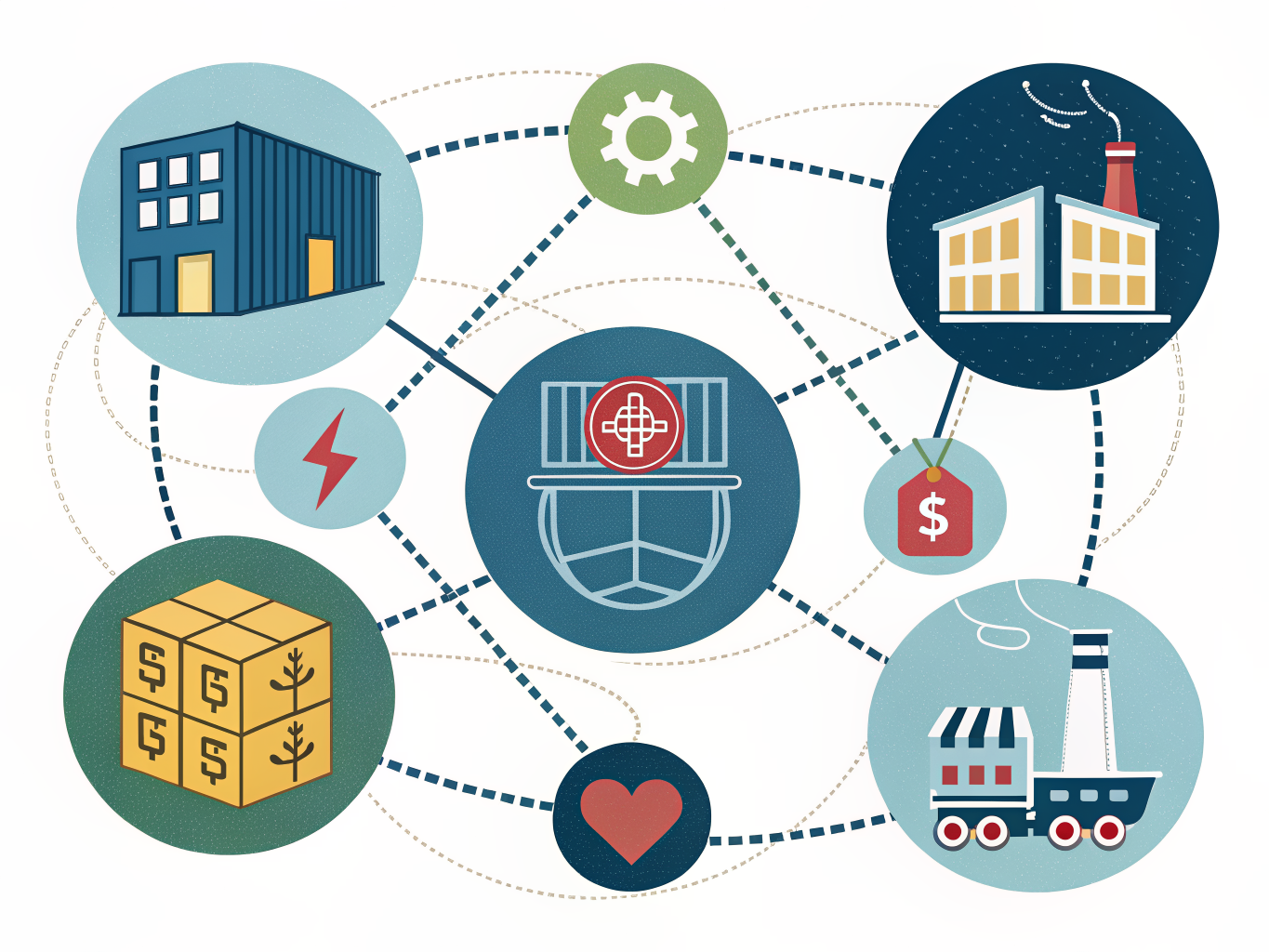
Now shift to supply chain operations. A retailer's inventory drops unexpectedly. Real-time visibility powered by IoT sensors and RFID technology reveals a bottleneck at the distribution center within minutes, not days. Managers reroute shipments immediately, preventing stockouts and lost revenue. IoT-enabled sensors and RFID technology provide real-time tracking of goods, ensuring visibility across the entire supply chain, while machine learning algorithms identify potential disruptions.
In healthcare, the stakes are literally life and death. Wearable devices monitor a patient's heart rate, blood oxygen, and glucose levels continuously. When metrics deviate from safe ranges, alerts notify clinicians instantly, enabling intervention before conditions deteriorate. In healthcare, real-time analytics is used to monitor patients' vitals and predict future health problems, with wearable devices monitoring health metrics and signaling healthcare providers when urgent attention is needed.
For retailers, real-time customer behavior tracking transforms the shopping experience. A customer browsing winter coats triggers dynamic pricing adjustments based on inventory levels and demand. Personalized recommendations appear instantly, driving conversion rates upward. Retail companies use real-time data analytics to find patterns, provide value, personalize customer experience, and track purchase behavior, with dynamic pricing based on demand.
These aren't theoretical scenarios. Organizations leveraging real-time analytics gain competitive advantages their slower competitors simply cannot match. The difference between detecting a threat in milliseconds versus hours determines market share, customer trust, and operational resilience.
Real-Time vs. Batch Analytics: Understanding the Difference
In traditional data analytics, organizations collect information at set intervals, then generate periodic reports after the fact. Batch analytics refers to processing vast amounts of data in one shot after it has been gathered over time, making it ideal for historical analysis, monthly financial reports, and trend identification. Real-time analytics flips this approach, processing data continuously as it arrives and delivering insights within seconds.
When Batch Analytics Makes Sense
Batch processing excels at lower infrastructure costs and handles massive datasets efficiently. It's perfect for compliance reporting, archival analysis, and situations where a 24-hour delay doesn't impact decisions. Many organizations still rely on nightly batch jobs for data warehouse updates and trend analysis spanning weeks or months.
When Real-Time Analytics is Essential
Real-time processing becomes critical for time-sensitive operations: fraud detection that must flag suspicious transactions instantly, operational monitoring that alerts teams to system failures, or dynamic pricing that adjusts to market conditions. Decision-makers don't need to wait for periodic reports when insights arrive as events happen.
The Modern Hybrid Approach
Here's the key insight: these aren't competing technologies. The strongest analytical strategies combine both. Real-time analytics should be paired with traditional analytics, as the clearest picture comes from looking at both transactional and analytical data. Use real-time systems for immediate operational decisions and batch processing for comprehensive historical analysis and reporting.
The question isn't which one to choose, but how to layer them effectively for your specific needs.
Implementation Challenges and Considerations
Implementing real-time analytics isn't straightforward, and pretending otherwise does no one a favor. The technical and organizational hurdles are real, but they're entirely manageable with the right approach.
Your first obstacle is infrastructure. Real-time systems must handle terabytes of data with unpredictable volume spikes. Cloud data warehouses and data lakes offer centralized storage, immense computing power, and the flexibility needed for real-time data analysis, making them a practical solution compared to traditional on-premises systems. However, cloud costs require careful planning and monitoring to avoid surprises.
Legacy system integration presents another challenge. Most enterprises aren't starting from scratch; you're connecting new analytics infrastructure with existing systems that weren't designed for real-time data flows. Companies frequently encounter integration and interoperability issues when attempting to connect new analytics systems with existing infrastructure, particularly when legacy systems are involved. This demands thoughtful architecture and often middleware solutions.
Data quality and governance are non-negotiable. You should have data governance and data lineage processes in place because the data read could already be modified and stale in another data system. Without proper controls, you're making decisions on corrupted or outdated information, which defeats the entire purpose.
Beyond technology, expect organizational friction. Your teams need new skills in streaming technologies, cloud platforms, and real-time optimization. This requires genuine investment in training and potentially hiring specialized talent.
The key is viewing this as a phased journey rather than an all-or-nothing leap. Start with critical business processes, validate your approach, then expand. Yes, it demands resources and patience, but the competitive disadvantage of remaining stuck in yesterday's batch reports is far costlier.
Key Takeaways: Getting Started with Real-Time Analytics
Real-time analytics adoption isn't a future consideration; it's a competitive necessity today. Here's how to move forward strategically.
Start with clarity. Define what "real-time" means for your business. A financial services firm needs millisecond responses; a retail operation might thrive with hourly updates. Identify your most time-sensitive use cases first, where faster decisions directly impact revenue or customer experience.
Choose your infrastructure wisely. Cloud-based solutions offer the scalability and cost efficiency that on-premises systems struggle to match. You avoid massive upfront capital investment while gaining flexibility to scale as needs evolve.
Plan for integration reality. Your real-time system won't exist in isolation. Map how it connects to legacy databases, data warehouses, and existing workflows. This planning phase prevents expensive retrofitting later.
Invest in people, not just tools. Technology alone fails without organizational readiness. Budget for training, hire data engineers who understand streaming architectures, and ensure your team understands the insights they're generating.
Start small, think big. Launch a pilot project in a high-impact area, measure results rigorously, then expand. This approach reduces risk while building internal confidence and expertise.
Blend both approaches. Real-time and batch analytics serve different purposes. Use real-time for immediate decisions; batch processing for comprehensive historical analysis and complex reporting.
Secure from day one. Data governance and security aren't afterthoughts; they're foundational. Establish protocols early to avoid compliance headaches as you scale.
The organizations winning today aren't waiting for perfect conditions. They're moving forward strategically, learning as they go, and building the responsive operations their markets demand.
Frequently Asked Questions About Real-Time Data Analytics
What's the difference between real-time and near-real-time analytics?
True real-time analytics delivers insights in milliseconds to sub-seconds, critical for split-second decisions like fraud detection. Near-real-time processing is fast but not instantaneous, while true real-time analytics delivers sub-second responses for critical alerts. For most business use cases, near-real-time (seconds to minutes) is sufficient and more cost-effective.
How much does real-time analytics cost?
Costs vary dramatically based on data volume, complexity, and platform choice. Expect $10,000 to $100,000+ annually for enterprise implementations. Cloud-based solutions offer lower upfront costs with pay-as-you-go pricing, while on-premise setups require larger infrastructure investments.
What size organization needs real-time analytics?
You don't need to be a Fortune 500 company. Mid-market organizations with time-sensitive operations (e-commerce, financial services, healthcare) see immediate ROI. Smaller companies can start with affordable cloud solutions targeting specific high-impact use cases.
Can we add it to existing systems?
Yes. Modern platforms are designed for integration without replacing legacy systems entirely. You'll typically build a streaming layer alongside existing infrastructure, feeding real-time data to dashboards and applications.
What skills do we need?
Core competencies include data engineering, analytics, and basic cloud infrastructure knowledge. Apache Kafka and Amazon Kinesis are common streaming platforms your team should understand. Many organizations hire specialized talent or partner with consultants for implementation.
How quickly will we see ROI?
Quick wins appear within three to six months. Companies report 20-40% improvements in response times and 15-30% cost reductions through faster decision-making. Long-term ROI compounds as you optimize processes and identify new opportunities.
Is it secure and compliant?
Real-time systems can be as secure as traditional analytics if properly architected. Encryption, access controls, and audit logging are standard. Compliance with GDPR, HIPAA, or SOC 2 is achievable and should be built in from the start, not retrofitted.
Conclusion: The Future is Real-Time
The competitive landscape has fundamentally shifted. Organizations that once competed on quarterly insights now battle in real-time, making decisions in seconds rather than weeks. This isn't hyperbole; it's the new operating reality. As IBM emphasizes, real-time analytics offers a strategic advantage for organizations operating in time-sensitive environments, where the ability to quickly act on insights can drive efficiency and competitive differentiation.
The sobering truth: if your data infrastructure isn't modernized, you're already at a disadvantage. Sigma Computing warns that operating without instant access to information puts you at risk in a world characterized by constant connectivity. Your competitors aren't waiting, and neither should you.
But here's the encouraging part: the technology is mature and increasingly accessible. This isn't reserved for tech giants anymore. Real-time analytics is within reach for organizations of all sizes, provided you approach it strategically.
Start now. Assess your current data readiness. Identify one critical business process where speed truly matters, then pilot a real-time solution. You'll quickly see the ROI in faster decisions, prevented losses, and operational agility.

The future belongs to organizations that can turn data into action instantly. That future is now.
Keep reading

Critical Third Parties: UK Cloud Rule Explained
A Critical Third Party is a provider whose service failure could threaten UK financial stability. The first UK designations are four cloud providers.

Netflix Earnings Put Always-On TV in Focus
Netflix reports Q2 results July 16 after reports it is weighing always-on channels. Arkolith maps NFLX to $284.0B in tracked 13F value.

UK Cloud Watchlist Maps to $4.45T in 13F Value
The UK's first cloud oversight list maps to Microsoft, Alphabet, Amazon and Oracle, which Arkolith tracks across $4.45T of Q1 2026 13F value.