AMD's Anthropic Deal Turns MI450 Into a 2 GW Test
AMD and Anthropic announced up to 2 GW of MI450 deployments and a possible $5B equity investment, putting delivery timing and demand financing in focus.
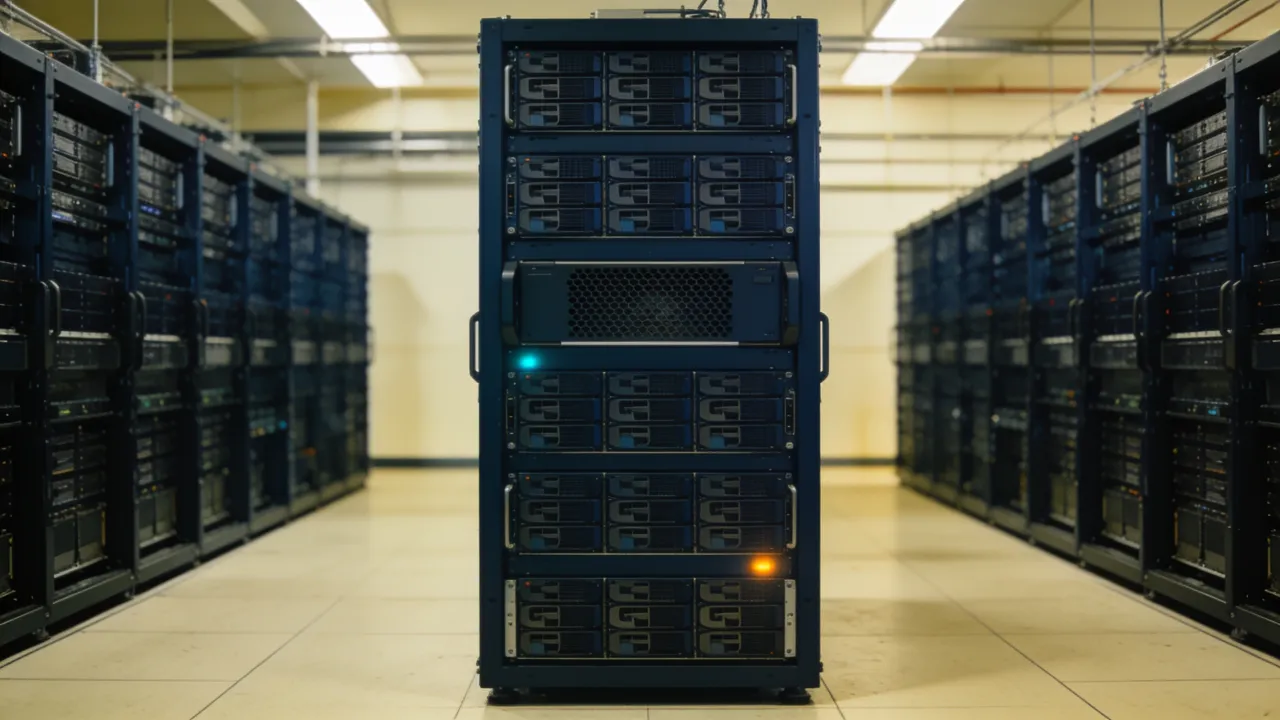
AMD and Anthropic said on July 22 that they will deploy up to 2 gigawatts of AMD Instinct MI450 GPUs, with the first gigawatt due in the first half of 2027. AMD also committed to a possible $5 billion equity investment in Anthropic, making the story bigger than a chip order.
The deal matters because it tests two claims at once: whether AMD can turn Helios rack systems into a credible Nvidia alternative for frontier AI labs, and whether AI infrastructure demand is being financed by the vendors that most need it to appear.
What AMD announced
AMD Anthropic partnership release says Anthropic will deploy up to 2 gigawatts of MI450 Series GPUs in AMD Helios rack-scale systems. It says deployment of the first gigawatt is expected to begin in the first half of 2027.
The release also says the companies will use Claude to optimize workloads for AMD Instinct GPUs and accelerate ROCm software development. AMD said it will broadly adopt Claude across engineering and product-development teams, and that it has committed to make a strategic equity investment of up to $5 billion in Anthropic in the future.
Why the financing matters
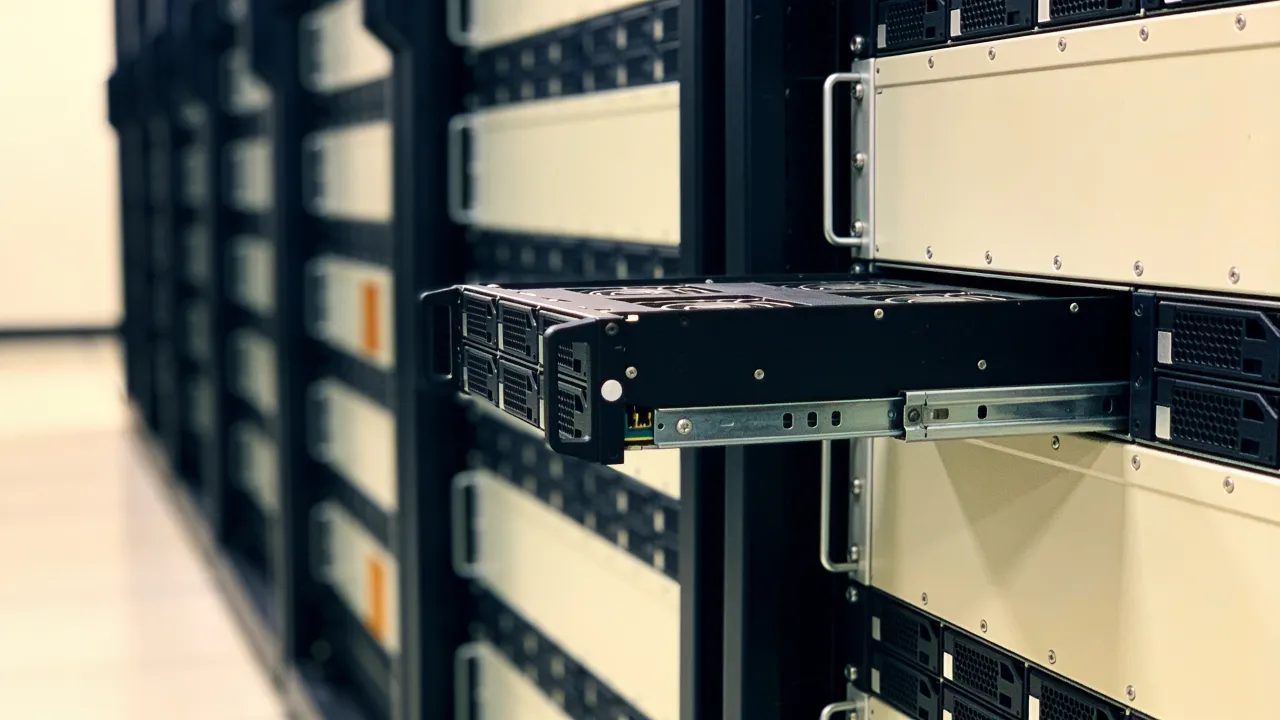
The hard number is the 2 GW deployment target. The hard question is how much of the demand is independent customer pull and how much is tied to strategic financing. AMD's release confirms the possible equity investment but does not disclose revenue timing, purchase minimums, exact deployment milestones or data-center lease obligations. The Verge report also framed the announcement around AMD's up-to-$5 billion commitment and Anthropic's compute-capacity need.
That boundary is important. A chipmaker funding a major AI customer can be a rational way to secure a flagship deployment, but it also makes investors ask whether reported demand is clean end-market demand or part of a circular capacity-financing loop.
The Microsoft context
The Anthropic announcement lands two days after AMD and Microsoft announced a separate AMD Microsoft Azure infrastructure release. In that release, AMD said Microsoft will deploy AMD Helios at scale on Azure, and that AMD will begin shipping Helios to customers, including Microsoft, in the second half of 2026.
Microsoft's Microsoft Azure AI and HPC infrastructure blog framed the same move around three upcoming Azure offerings: HDv2 virtual machines for data pipelines, HXv2 for semiconductor design and ND MI455X v7 for AI inference workloads.
Together, the Microsoft and Anthropic deals turn Helios from a product roadmap into an execution calendar. The first public read is whether AMD ships the platform into Azure in the second half of 2026. The second is whether Anthropic's first gigawatt begins in the first half of 2027. The broader AI infrastructure buildout now has a dated AMD execution test.
What comes next
AMD's Advancing AI keynote on July 23 is the next official venue for more detail. Investors will be looking for order structure, delivery milestones, supply-chain constraints, software readiness and how the equity commitment is triggered.
For Anthropic, the unresolved issue is capacity control. A 2 GW AMD commitment could diversify supply beyond the usual Nvidia-heavy stack, but only if ROCm, Helios integration and cloud availability are ready when the 2027 deployment clock starts.
This article is informational only and is not investment advice.
More from Arkolith
Meta's $279B AI Leases Test the Balance Sheet
Meta disclosed $278.99 billion of future lease obligations and $349.31 billion of commitments, moving the AI buildout beyond capex guidance.
Carrier and Corning Split the AI Supply Trade
Carrier raised its data-center outlook as Corning sold off on guidance, turning AI infrastructure earnings into a supplier-quality test.
How to Track AI Data Center Stocks With 13F
Use 13F filings to track disclosed institutional exposure to AI data center stocks without treating quarterly holdings as live trading signals.