Kimi K3 Pauses New Signups as Compute Runs Hot
Kimi paused new subscriptions after K3 demand pressed its GPU capacity, turning the open-model launch into a compute-allocation test.
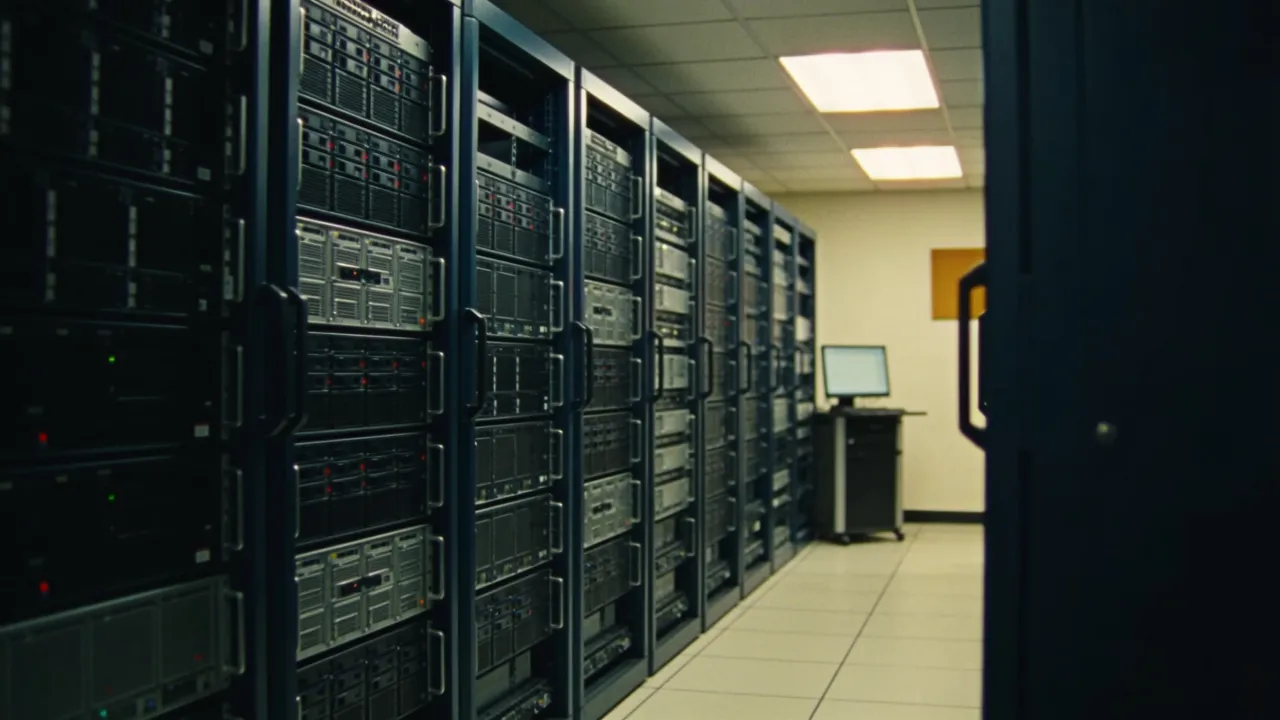
Kimi K3's first weekend ended with a capacity signal, not another benchmark claim. Kimi said on July 19 that demand over the prior 48 hours pushed its GPU capacity close to the limit, so it is temporarily pausing new subscriptions while protecting current members.
That turns the open-model story into a serving question. Kimi K3 is already live in Kimi products and coding workflows, but the next test is whether Moonshot AI can add enough compute, segment plans cleanly and reopen access without degrading the experience that drew demand in the first place.
What Kimi changed
In an official Kimi statement, the company said new subscriptions are paused temporarily and compute is being prioritized for current members. It also said existing subscribers are not affected, capacity is being added, and new spots will reopen in batches.
The same statement said Kimi will split membership into Kimi Membership for Kimi Web, App and Work, and Kimi Code Membership for coding workflows. The Kimi Code product page already presents the coding plan as a separate subscription for developer usage.
Why the pause matters
The pause follows the Kimi K3 open-model launch, where the live question was whether a 2.8T-parameter model with a promised weights release could compete on useful cost and agent work. Sunday's update adds a less glamorous constraint: even strong demand is only valuable if the model can be served reliably.
For customers, the pause is a quota and planning issue. A model can look cheap per token but still be hard to adopt if access closes, context tiers change or coding usage competes with non-coding benefits.
The plan split is the real product signal
Kimi's membership docs say the Kimi Code plan separates coding quota from general Kimi membership starting July 20. The docs say the new code plan removes the monthly total quota cap, keeps weekly and five-hour rate windows, and gives Kimi Code its own quota pool.
The third-party coding-agent docs show why that matters for developers. They describe using Kimi Code benefits through tools such as Claude Code and list K3 access across new and legacy plan tiers, with 1M context only on higher tiers or explicit configuration.
What comes next
The hard evidence now is operational. Kimi needs to reopen subscription batches, publish the promised K3 weights on July 27, and show whether the separated plan keeps coding workloads stable under real demand.
The broader AI capex question is the same one facing hyperscalers in this week's earnings setup: demand is not enough on its own. The useful number is how much reliable capacity each new compute dollar buys, and how clearly providers ration it when demand outruns supply.
This article is informational only and is not investment advice.
More from Arkolith
DeepSeek V4-Flash Puts Agent Costs on Trial
DeepSeek opened its V4-Flash API public beta with Responses API support, Codex integration and pricing that makes agent cost a live test.
Meta's $279B AI Leases Test the Balance Sheet
Meta disclosed $278.99 billion of future lease obligations and $349.31 billion of commitments, moving the AI buildout beyond capex guidance.
Carrier and Corning Split the AI Supply Trade
Carrier raised its data-center outlook as Corning sold off on guidance, turning AI infrastructure earnings into a supplier-quality test.