Micron Raises Its U.S. Chip Bet to $250 Billion
Micron says it now plans to invest more than $250 billion in U.S. manufacturing and research through 2035 as its first New York fab moves into vertical construction.
Micron has raised its planned U.S. investment to more than $250 billion through 2035. The memory-chip maker says stronger demand from artificial intelligence is pushing it to spend more on factories, research and its domestic supply chain.
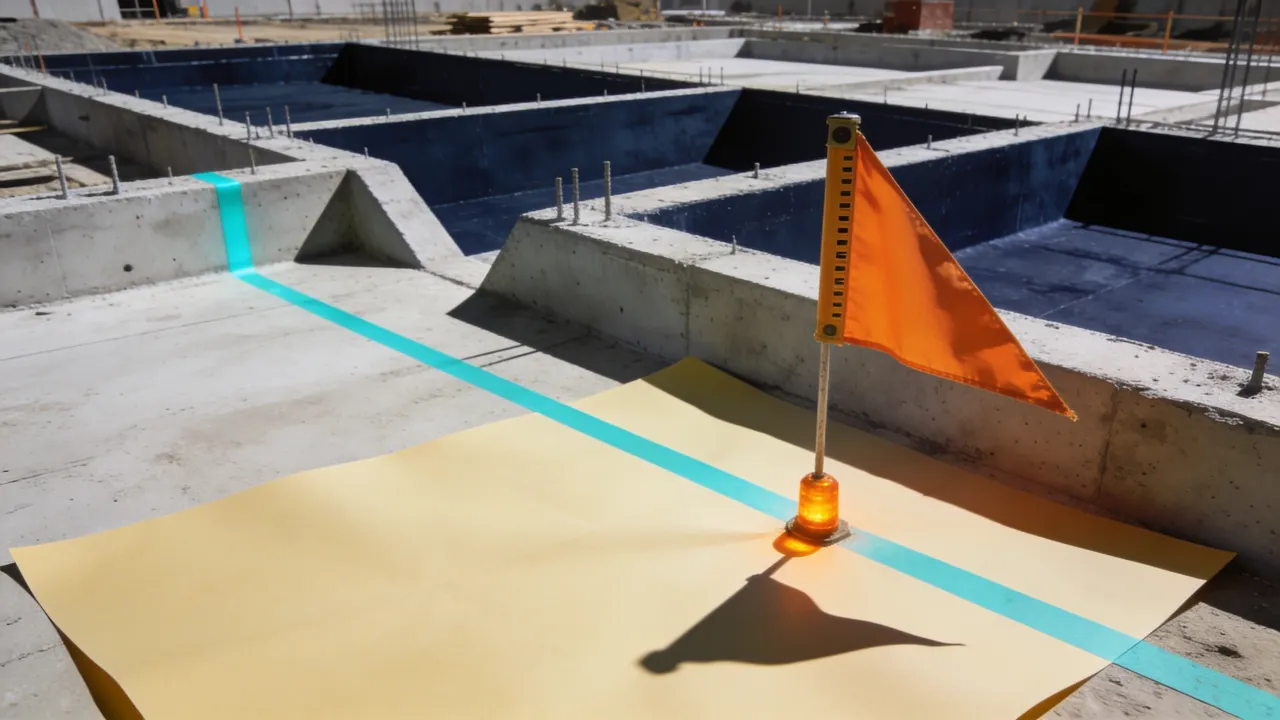
The update came as workers poured the first concrete for Micron's new fab in Clay, New York. That moves the site from ground preparation into vertical construction.
What Micron changed
In its July 9 investment update, Micron said the new nationwide total covers planned manufacturing and technology investments through 2035. The company had previously described a smaller U.S. plan.
Micron says the spending supports a long-term goal of producing 40% of its DRAM in the United States. DRAM is the working memory used in servers, computers and other devices. AI systems need large amounts of fast memory to keep data close to processors.
The $250 billion figure is a nationwide plan. It is not the cost of the New York site alone.
New York describes the Clay campus as a $100 billion project. The state says it is the largest private-sector construction project in New York history.
The New York fab is moving faster
Micron broke ground in January. Less than six months later, crews began pouring foundations for the first fab. The company says that milestone arrived more than one quarter ahead of its original schedule.
Micron plans up to four fabs at the site. It expects the New York project to support 9,000 direct Micron jobs and about 50,000 jobs in total. Those are company and government estimates, not jobs that already exist.
The company says roughly $675 million has been directed to New York contractors, suppliers and subcontractors so far. More than 80% of workers on site have been New York residents, according to Micron.
Why memory is becoming an AI bottleneck
AI spending is often described as a race for graphics processors. Memory is the other side of the system. Large models need to move enormous amounts of data quickly, and a slow memory layer can leave expensive processors waiting.
That helps explain why Micron is willing to add capacity while memory remains a cyclical business. The company is also building in Idaho and producing some memory products in Virginia. It expects first wafer output from its first Idaho fab in mid-2027 and from the second in late 2028.
The risk is timing. New fabs take years to build, while memory prices can move sharply as supply and demand change. Micron says it will remain disciplined and adjust supply plans to market conditions. The $250 billion total is a forward-looking plan, not money already spent.
Investors can follow the company on Arkolith's live Micron stock page and use our guide to reading institutional filings when the next ownership reports arrive.
What to watch next
The next hard milestones are completion of the first New York fab, equipment installation and a firm date for initial wafer production. Micron has not given an initial production date for New York in this update.
For now, the first concrete matters because it turns a long-range industrial promise into active construction. The larger question is whether AI memory demand remains strong enough to absorb the capacity when these fabs begin producing chips.
Arkolith provides source-linked public information for educational and informational use. This article is not investment advice. Company spending, production and job figures include forward-looking estimates that may change.
More from Arkolith
Meta Pulls Muse Image Feature After Privacy Backlash
Meta removed a Muse Image feature that let people use public Instagram accounts as visual references. The image model itself remains available.
Mira Murati’s AI Lab Bets on Models Users Can Train
Thinking Machines Lab says its strategy is to let people train model weights, shape AI with private knowledge and work through live multimodal interfaces.
Apple Sues OpenAI Over Alleged Hardware Secrets
Apple alleges that OpenAI and two former Apple employees misused confidential hardware information. OpenAI says it has no interest in other companies' trade secrets.