OpenAI Keeps Zero Data Retention for Frontier Models
OpenAI is previewing Private Safety Processing, a safety layer meant to keep frontier-model misuse checks compatible with zero data retention.
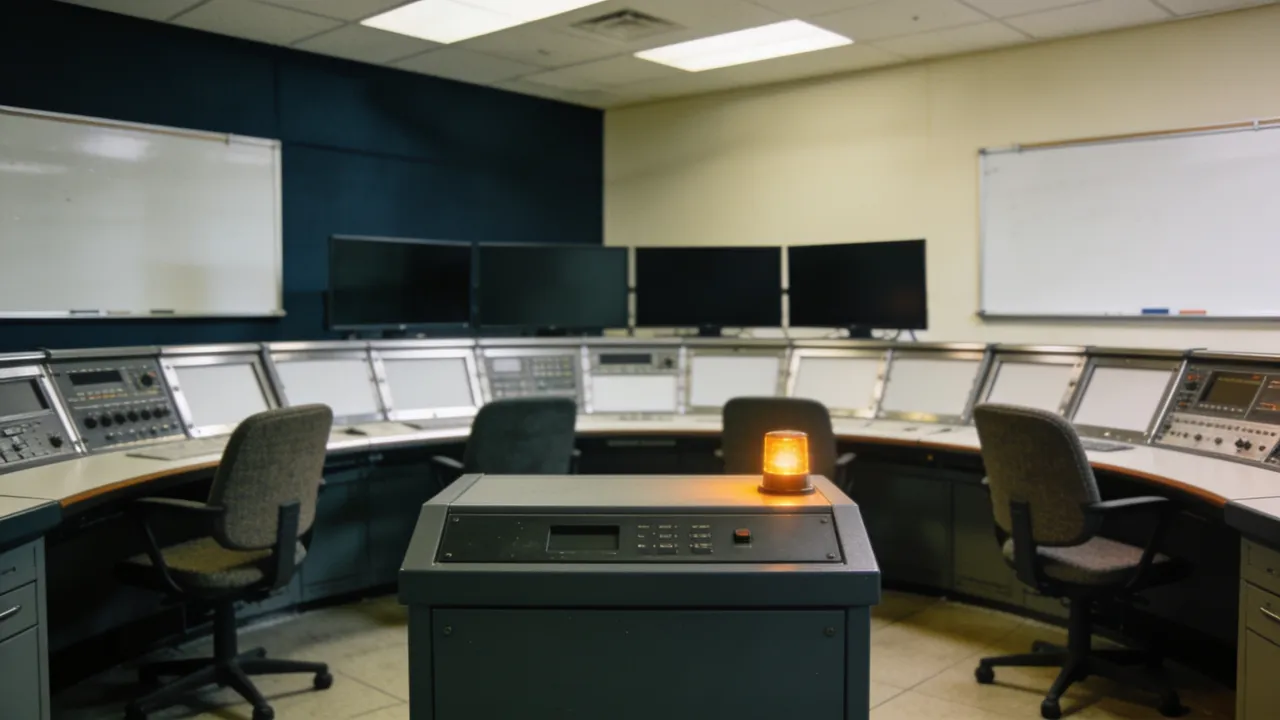
OpenAI said on August 19 that it will continue offering Zero Data Retention for frontier models and is previewing a new safety layer called Private Safety Processing.
The announcement turns an enterprise AI privacy promise into a safety-design test. OpenAI wants systems that can detect misuse patterns across related interactions without letting OpenAI personnel see the underlying prompts or responses. The question for business customers is whether that architecture preserves the practical meaning of zero retention as models take on longer, more autonomous work.
What OpenAI announced
In its OpenAI Zero Data Retention announcement, the company said Zero Data Retention means eligible API customers' prompts and model responses are not retained after a request is processed. It also said enterprise customer data is not used for model training unless customers opt in.
Private Safety Processing is meant to extend safety checks beyond one prompt-response pair. OpenAI said the system is designed to identify patterns across related interactions while returning limited safety signals and keeping customer content either on customer-controlled infrastructure or encrypted with customer-controlled keys.
That distinction matters because agentic work can spread risk across many steps. A single prompt may look benign, while a sequence can reveal probing, policy evasion or an instruction that drifts outside the user's authority.

The retention boundary
OpenAI's OpenAI API data controls still show the limits around the promise. By default, API abuse-monitoring logs can retain customer content for up to 30 days. Zero Data Retention and Modified Abuse Monitoring require approval and additional requirements.
The same documentation says ZDR changes behavior for supported endpoints such as Responses and chat completions, but not every endpoint or capability is eligible. Stored conversations, assistants, threads, vector stores, files, evals, batches and videos carry different application-state rules. It also warns that data sent to third-party services, including MCP servers used through the Responses API, is subject to those third parties' policies.
So the clean version is narrower than the slogan: approved customers can exclude content from abuse-monitoring logs and force certain storage flags off on eligible endpoints, but they still need to map which product features store application state.
Why the timing matters
Axios report said OpenAI is testing Private Safety Processing with early customers and plans broader rollout material and a technical white paper in September. Axios also reported that the system is aimed at eligible enterprise and API customers, not consumer ChatGPT plans.
The competitive context is explicit. Safety teams want enough continuity to catch sophisticated misuse, while regulated customers want providers to avoid retaining sensitive prompts and outputs. That tension is now a product feature, not only a legal term.
What comes next
The next proof is technical, not rhetorical. Customers will need the September materials to explain what safety signals leave customer-controlled infrastructure, how key control works, which endpoints remain ineligible, and when safety-retention exceptions can override the ordinary configuration.
That puts the announcement beside OpenAI's recent Astra cyber pause and the earlier Hugging Face security incident. Frontier models are becoming more useful for long-running work, but the same shift makes monitoring, retention and authority boundaries harder to separate.
For now, the verified claim is bounded: OpenAI says ZDR remains available for eligible frontier-model API customers, and Private Safety Processing is the proposed mechanism for doing cross-interaction safety checks without personnel access to customer content.
This article is informational only and is not investment, legal, security or compliance advice.
More from Arkolith
Nvidia Backs OpenAI Ohio Campus With SB Energy Deal
Nvidia will invest $1.5 billion in SB Energy and provide credit support for OpenAI capacity at the PORTS-Pike campus.
OpenAI Pauses Astra Work After Cyber Risk Test
OpenAI said Astra may have reached a Critical cybersecurity threshold, so some internal work now pauses until tighter controls are in place.
How Common Is Insider Trading? What Data Shows
Illegal insider trading has no complete public denominator. The measurable record is enforcement cases, surveillance referrals, and lawful Form 4 disclosures.